

Enjoying the blog?
I send two emails a week sharing wines I've been tasting, new discoveries from independent growers, and occasional stories from the vineyards.
Spring Wine, Evolution, not Revolution

Table of Contents
According to the weather station at Exeter Airport, it had rained every day for sixty days at the start of 2026. Which made the first clear Saturday the perfect time for spring wine.
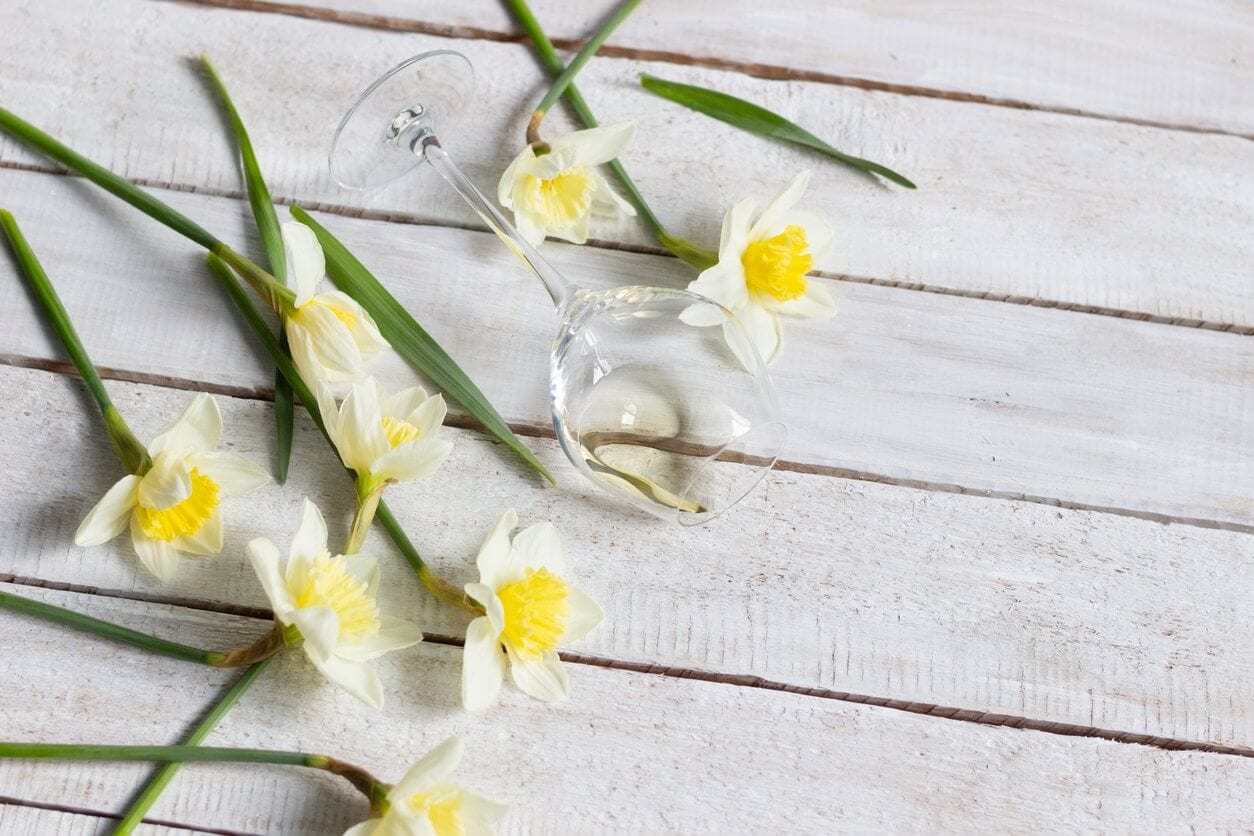
In Totnes, at our usual market pitch, it felt almost theatrical. Sunshine, daffodils out, people lingering rather than hurrying past. Stepping into the sunshine to bask was a delight, though in the shade, it was still coat weather.
To match the mood, I opened a bottle of Sauvignon Blanc.
That first glass made the point clearly. Not that winter was over. But that something had shifted.
When the light changes, what we want to drink changes too. Not dramatically. Not overnight. Just gradually.
Spring wines are not about abandoning structure or seriousness. They are about freshness, clarity and proportion.
Evolution, not revolution.
What Changes When the Season Turns?
Through the winter months we tend to lean towards weight. Rioja with time in barrel. Southern Rhône blends with warmth and depth. Whites that sit comfortably alongside cream and slow cooking.
Then the light alters. The food shifts. Lamb replaces beef. Greens return. Dishes feel lighter, even if the evenings are still cool. That is when the wines that felt perfect in January can start to feel a little heavy handed.
If you are looking for wines for spring, you do not need a full reset. You just need a few bottles that meet the season where it is.
- Brighter acidity to suit greens, herbs and lighter sauces
- Moderate alcohol so the wine stays in balance as days get brighter
- Fresh fruit rather than dominant oak
- Structure without heaviness so the wine still feels like wine, not flavoured water
Spring food and wine pairing is less about showy contrast and more about alignment. Freshness meeting freshness. A clean line through the middle of the wine that makes it useful at the table.
Sauvignon Blanc
A good Sauvignon Blanc makes sense at this point in the year. It is one of the most reliable white wines for spring because its natural acidity suits green vegetables, herbs and lighter cooking.
The style varies depending on where it is grown.
New Zealand Sauvignon Blanc, particularly from Marlborough, tends to be vibrant and fruit driven. Expect citrus, gooseberry and a brisk line of acidity. It feels bright and immediate, which works well when the first asparagus and pea dishes appear.
Loire Valley Sauvignon Blanc, from places such as Sancerre or Pouilly-Fumé, is usually more restrained. The fruit is subtler, the structure a little firmer, often with a mineral edge. It can feel more savoury, and slightly more serious at the table.
Both styles earn their place among spring wines. The choice depends on whether you want something more expressive and fruit led, or something leaner and more understated.
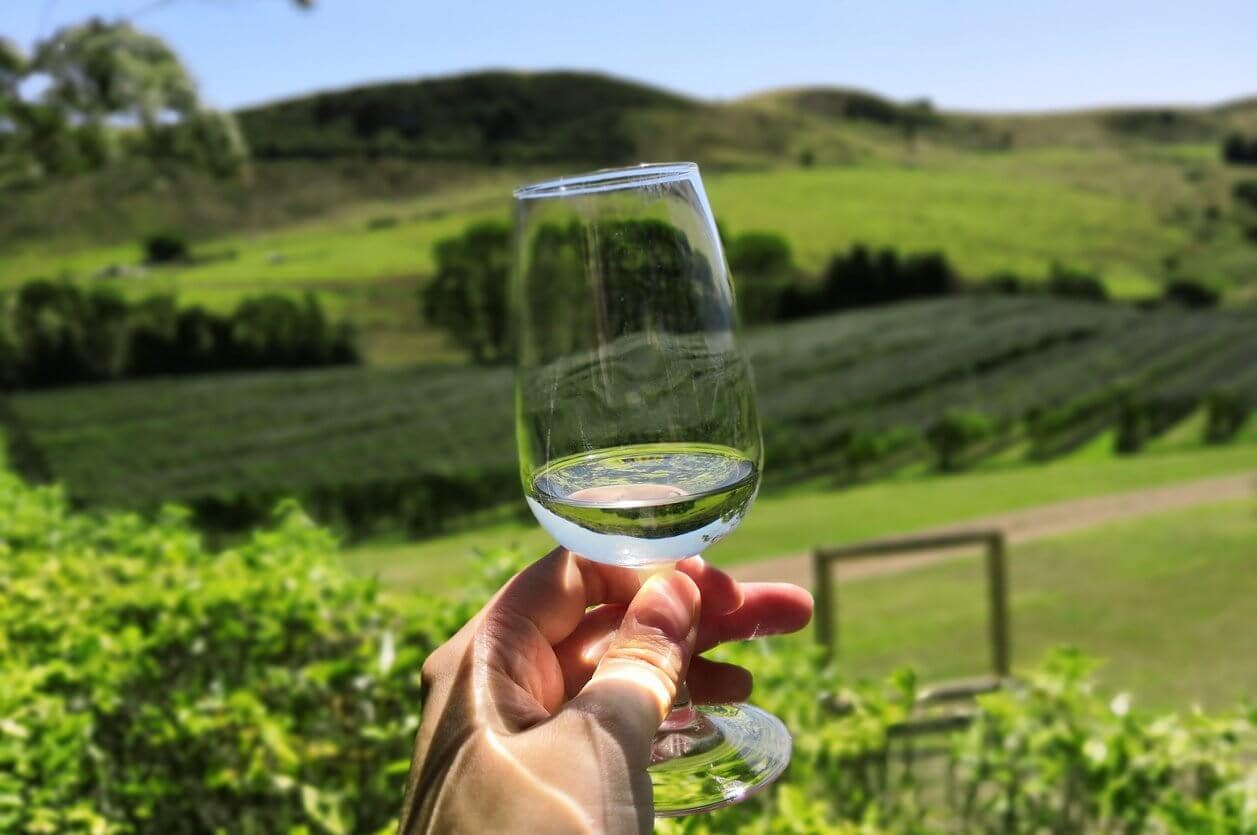 Sauvignon Blanc is an adaptable white spring wine.
Food Pairing
- Asparagus, especially with hollandaise or butter
- Goats’ cheese salads and tarts
- Grilled chicken with lemon and thyme
- Pea and mint risotto
- Simple seafood, especially prawns or white fish with herbs
The acidity cuts through green vegetables and sharper cheeses. The fruit sits comfortably alongside herbs without taking over. It is a reliable answer to “what to drink in spring” when the first vegetables arrive and you want the wine to feel bright rather than heavy.
Our recommendation:
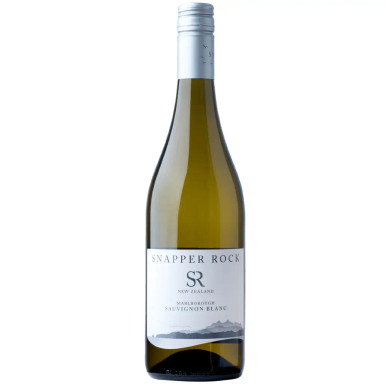
Snapper Rock New Zealand Sauvignon Blanc, Marlborough
Snapper Rock Sauvignon Blanc 2024, Marlborough
£13.75
A straightforward Marlborough Sauvignon Blanc that does exactly what you expect. Bright citrus, tropical fruit and sharp acidity, all kept clean and focused. Made with… read more
Picpoul
As seafood and lighter dishes return to the table, Picpoul comes into its own. From the Languedoc, close to the Mediterranean, it is dry, citrus led and often lightly saline, with enough texture to cope with olive oil and simple sauces.
Picpoul has a straightforward job: keep things fresh, stay in balance, and make fish taste better. Done well, it does exactly that.
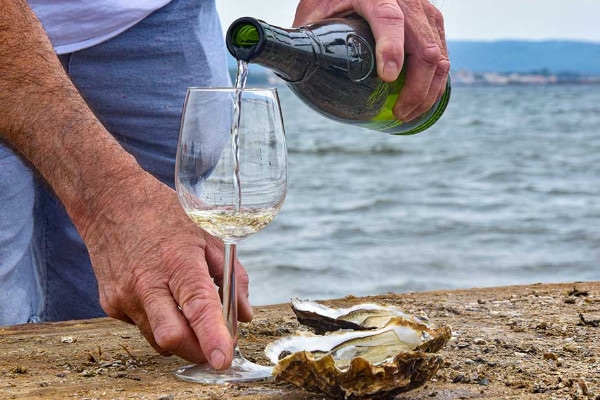 Picpoul de Pinet is built for fish, shellfish and light sauces.
Food Pairing
- Grilled sea bass or bream with herbs
- Prawns with garlic and parsley
- Mussels in a light broth
- Pasta with lemon, olive oil and greens
- Simply cooked white fish with a squeeze of lemon
Picpoul works because it sharpens a dish without dominating it. If your spring meals start to lean towards seafood, or you are cooking more with olive oil, it is a very easy bottle to keep on hand.
Our recommendation:
Picpoul de Pinet "Soleil"
Picpoul de Pinet "Soleil" 2023, Languedoc
£13.50
A classic southern French white. Picpoul de Pinet “Soleil” is bright and clean, with fresh citrus fruit and a lightly saline edge that makes it… read more

Beaujolais
Spring does not mean the end of red wine. It means a change in tone.
Good Beaujolais, made from Gamay, offers red fruit, moderate alcohol and fine tannins. There is freshness, but also depth beneath it. After heavier winter reds, it can feel like the right step forward.
It is one of the most useful red wines for spring because it sits comfortably between lunch and dinner. Fresh enough for daylight. Structured enough for food.
Food Pairing
- Roast chicken with herbs
- Sausages with lentils
- Roast pork and simple sides
- Mushroom tart or pasta
- Grilled vegetables, especially with garlic and olive oil
A small practical tip: serve Beaujolais slightly cool. Not fridge cold, just a little below room temperature. It keeps the fruit bright and the whole thing feeling suited to the season.
Our recommendation:
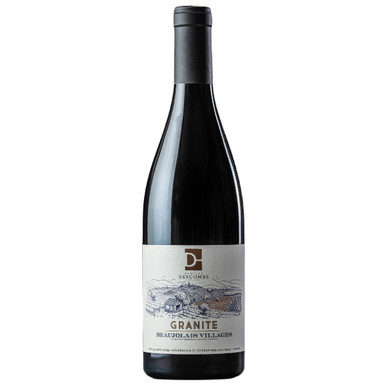
Famille Descombe "Granite" Beaujolais-Villages
Famille Descombe "Granite" Beaujolais-Villages 2022
£15.50
Famille Descombe “Granite” is a bright, juicy Beaujolais-Villages made from Gamay. Red and black berry fruit, fresh acidity and fine tannins make this a straightforward,… read more
Why Alcohol and Oak Matter More Now
As the weather improves, alcohol becomes more noticeable. A red that felt comforting in February can feel a bit relentless in a bright kitchen at lunchtime.
The same applies to oak. Wines dominated by new barrels can sit awkwardly against lighter food, especially dishes led by vegetables, herbs and citrus.
Many of the best spring wines sit around 12 to 13.5 percent alcohol, with oak playing a supporting role rather than leading. This does not mean “light” for the sake of it. It means balanced, and more versatile with the way we tend to cook in spring.
Matching Wine to Spring Ingredients
If you are unsure what to open, start with the main ingredient. Most spring food and wine pairing problems are solved by keeping it simple.
- Asparagus: Sauvignon Blanc (the clean acidity does the work)
- Lamb: Beaujolais or Pinot Noir (enough structure, not too much tannin)
- Shellfish: Picpoul de Pinet, Muscadet or dry sparkling wine
- Goats’ cheese: Sauvignon Blanc or dry Chenin Blanc
- Herb led dishes: wines with freshness and moderate alcohol
If you keep those broad matches in mind, you can choose wines for spring without overthinking it.
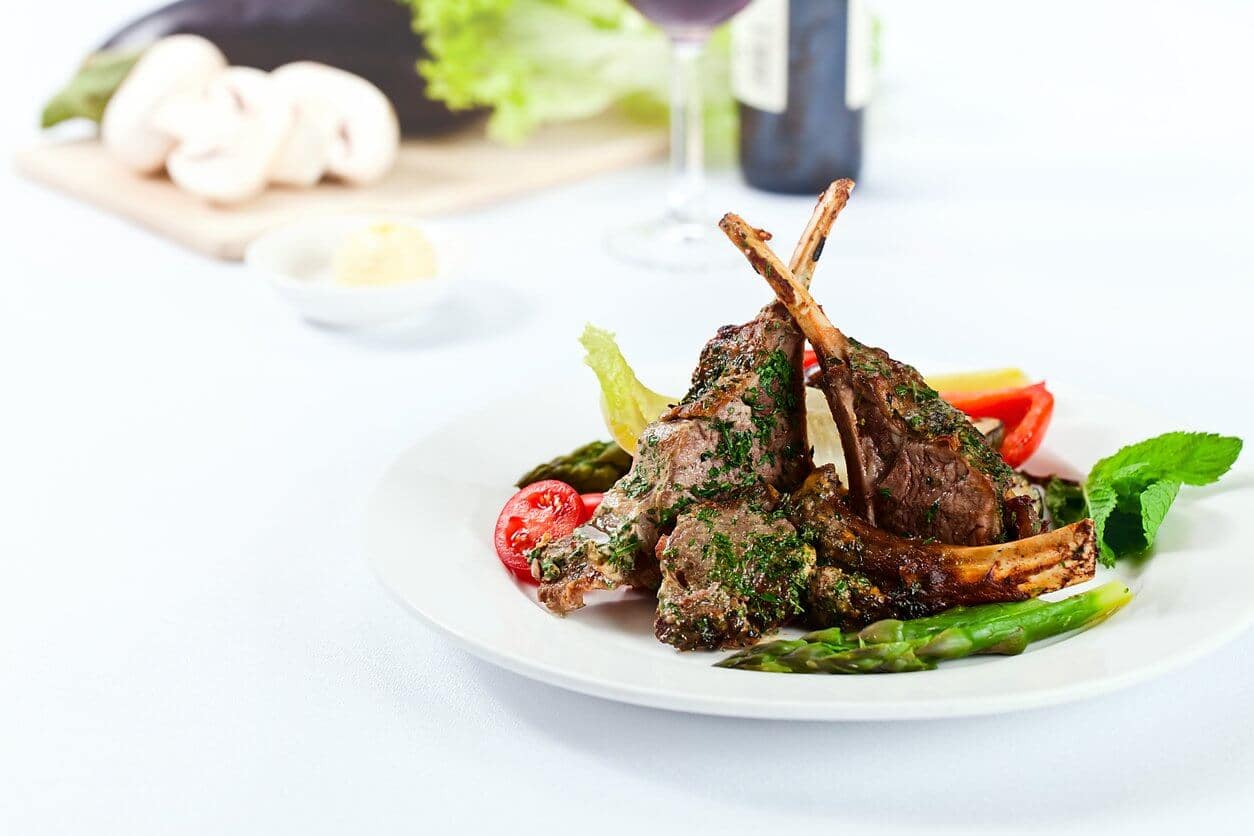 Greens, herbs and lighter cooking are a cue to shift what you open.
A Simple Spring Wine Selection
If you are adjusting your own rack for the season, a straightforward approach would include:
- One Sauvignon Blanc for greens, herbs and midweek cooking
- One Picpoul for fish, shellfish and warmer lunches
- One Beaujolais for lighter red drinking with food
- One textured white for cooler evenings
- One dry sparkling bottle for long lunches and mixed tables
That covers most spring meals without complication. You are not chasing novelty. You are choosing bottles that suit the way you are eating now.
The Season Moves Gradually
That first clear Saturday in Totnes did not signal summer. Coats were still needed by late afternoon. The air still carried a chill.
But something had shifted. People lingered. The market felt lighter. A fresher white felt more natural than Rioja.
The change in what we drink should mirror that pace. No dramatic overhaul. Just a steady adjustment towards freshness and balance, with spring wine that make sense with spring food.
Evolution, not revolution.