
Enjoying the blog?
I send two emails a week sharing wines I've been tasting, new discoveries from independent growers, and occasional stories from the vineyards.
The Story of English Wine: A Timeline in 8 Bottles

Table of Contents
- The Geological Foundations: Why English Wine Exists
- Chapter 1: The Belligerent Pioneer
- Chapter 2: The Radical Experimenters
- Chapter 3: Sparkling Wine Comes of Age
- Chapter 4: Confidence & The "New England"
- Chapter 5: The Urban Rebels
- Chapter 6: Chardonnay Grows Up
- Chapter 7: Rethinking Value and Red Wine
- Chapter 8: The Fully Mature Future
- Explore More Cool-Climate Classics
Thirty years ago, English wine was widely regarded as an interesting curiosity. Today, the United Kingdom stands as one of the most dynamic, fast-growing, and exciting cool-climate wine regions on the planet.
The transformation of Great Britain from a viticultural underdog into a global powerhouse is a story of unique geology, stubborn visionaries, shifting climates, and incredible winemaking talent. By arranging these eight extraordinary bottles into a historical timeline, we can track exactly how the English wine industry grew up. If you are looking to taste this evolution for yourself, you can discover a premium selection ready to pour with The English Wine Case at Wickhams Wine.
The Geological Foundations: Why English Wine Exists
On paper, England shouldn’t be able to produce world-class wine. The traditional wine world thrives on warmer latitudes, leaving the UK sitting right at the northernmost edge of viable viticulture.
Three tectonic shifts changed the game:
- Impeccable site selection
- Advanced modern viticulture
- Slightly warmer growing seasons
The secret weapon lies beneath the soil. The ancient, mineral-rich chalk seam running under France's Champagne region does not stop at the English Channel. It dives underwater and resurfaces spectacularly across Kent, Sussex, and Hampshire. This brings exceptional natural drainage and crisp acidity, laying the perfect foundation for three defining grape varieties: Chardonnay, Pinot Noir, and Pinot Meunier.
Chapter 1: The Belligerent Pioneer
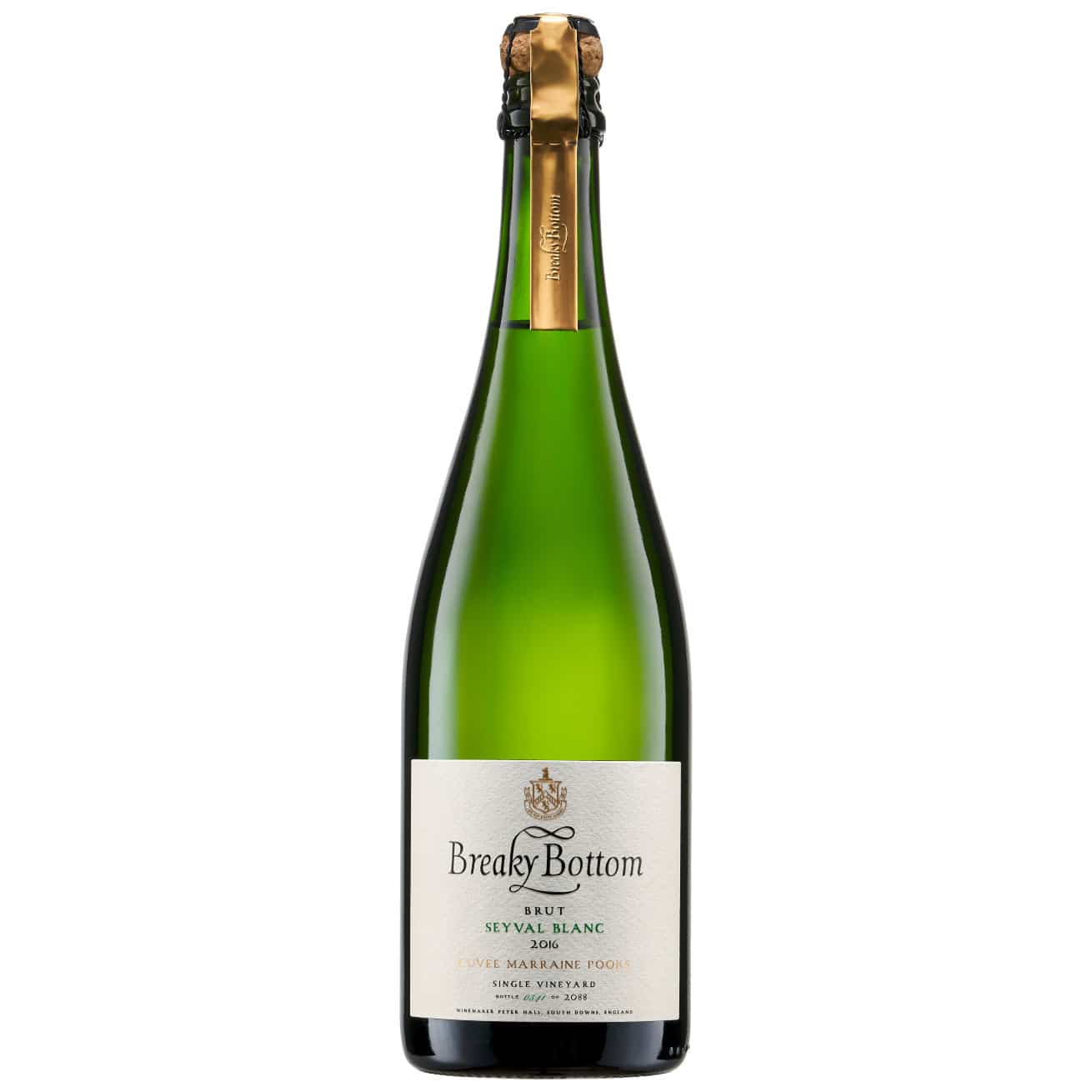
🍾 Breaky Bottom Marraine Pooks 2016 (Sussex)
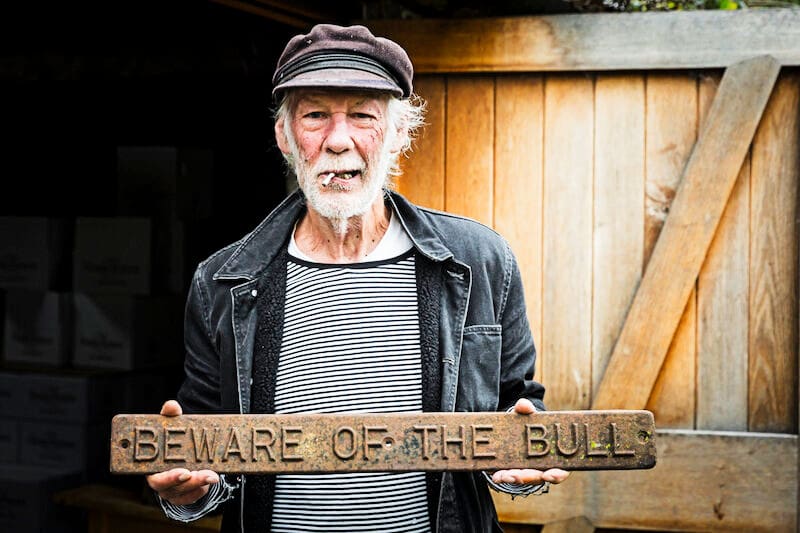
Founder Peter Hall at Breaky Bottom
Every legendary wine region requires its characters. Long before English sparkling wine became fashionable or highly capitalised, a handful of stubborn individuals were willing to look foolish.
Peter Hall of Breaky Bottom is the quintessential pioneer. He planted his vines in a secluded Sussex valley in 1974 with little more than stakes, string, and raw determination. Operating on a tiny boutique scale, Breaky Bottom bridges the gap between hobbyist England and world-class England. This bottle reminds us that our modern success was never inevitable; it was built on pure grit.
Chapter 2: The Radical Experimenters
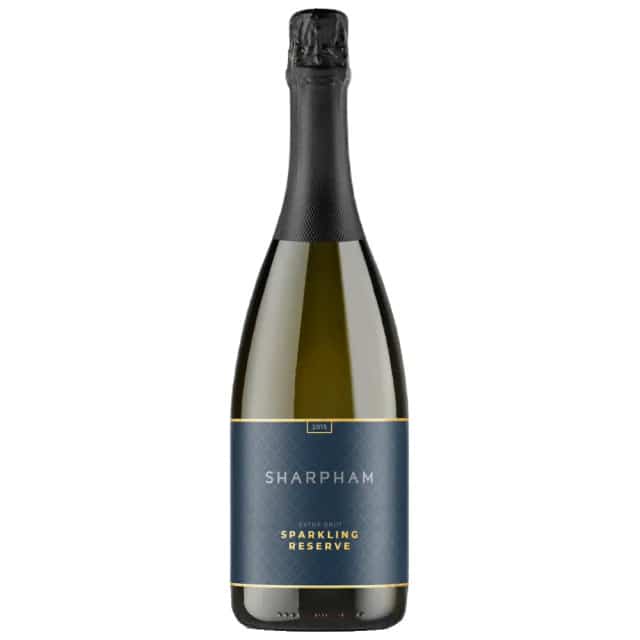
🥂 Sharpham Sparkling Blanc 2015 (Devon)
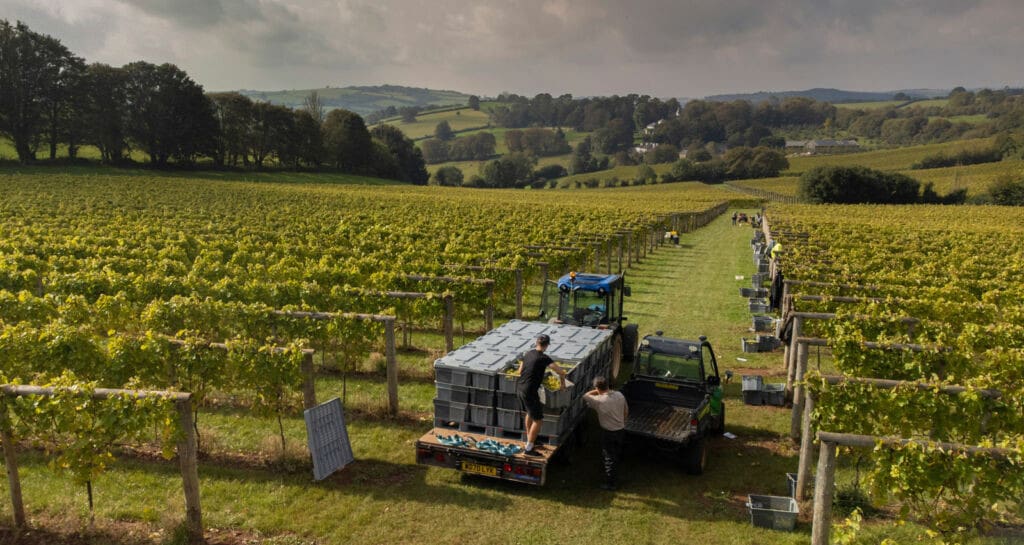
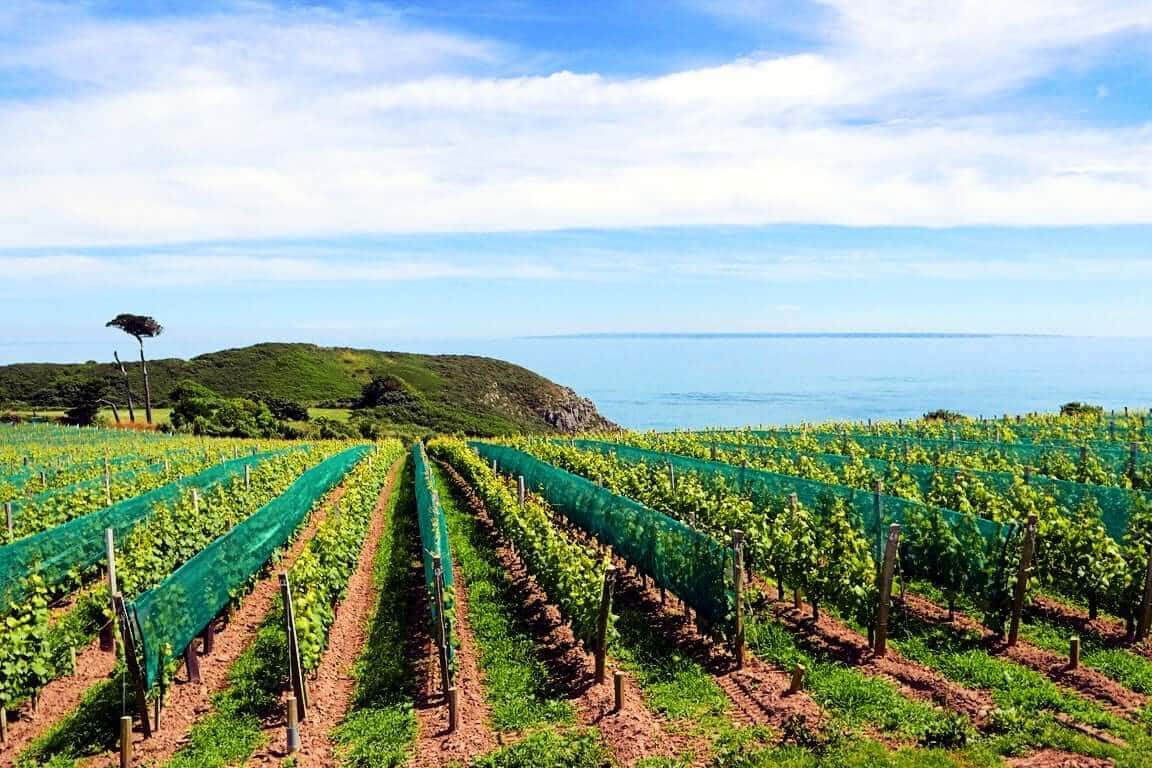
The rolling terroir overlooking the River Dart.
Following the early pioneers, trailblazers like Maurice Ash at Sharpham in Devon proved that England’s wine story belonged to more than just the South East.
Planted on the banks of the River Dart, Sharpham shifted the focus entirely to terroir and microclimate. They had to deal with a completely different environment:
- Soils: Less chalk, heavily mixed red soils.
- Climate: Intensely maritime, influenced by the Atlantic.
The early days of English viticulture were driven by open-minded experimentation because nobody had written a restrictive rulebook yet. Sharpham proved that regional identity mattered, laying the groundwork for a diverse national wine map.
Chapter 3: Sparkling Wine Comes of Age
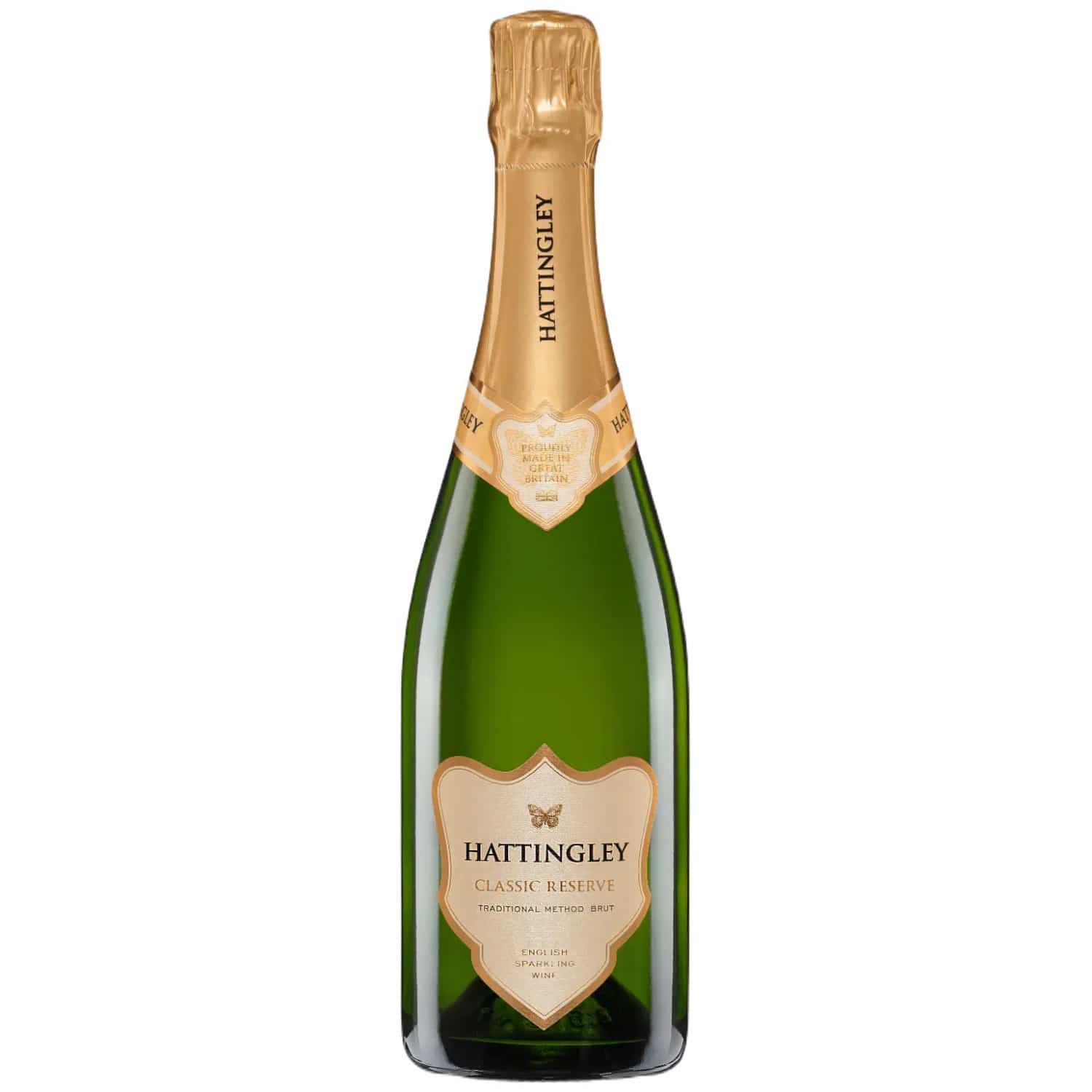
🍾 Hattingley Valley Brut NV (Hampshire)
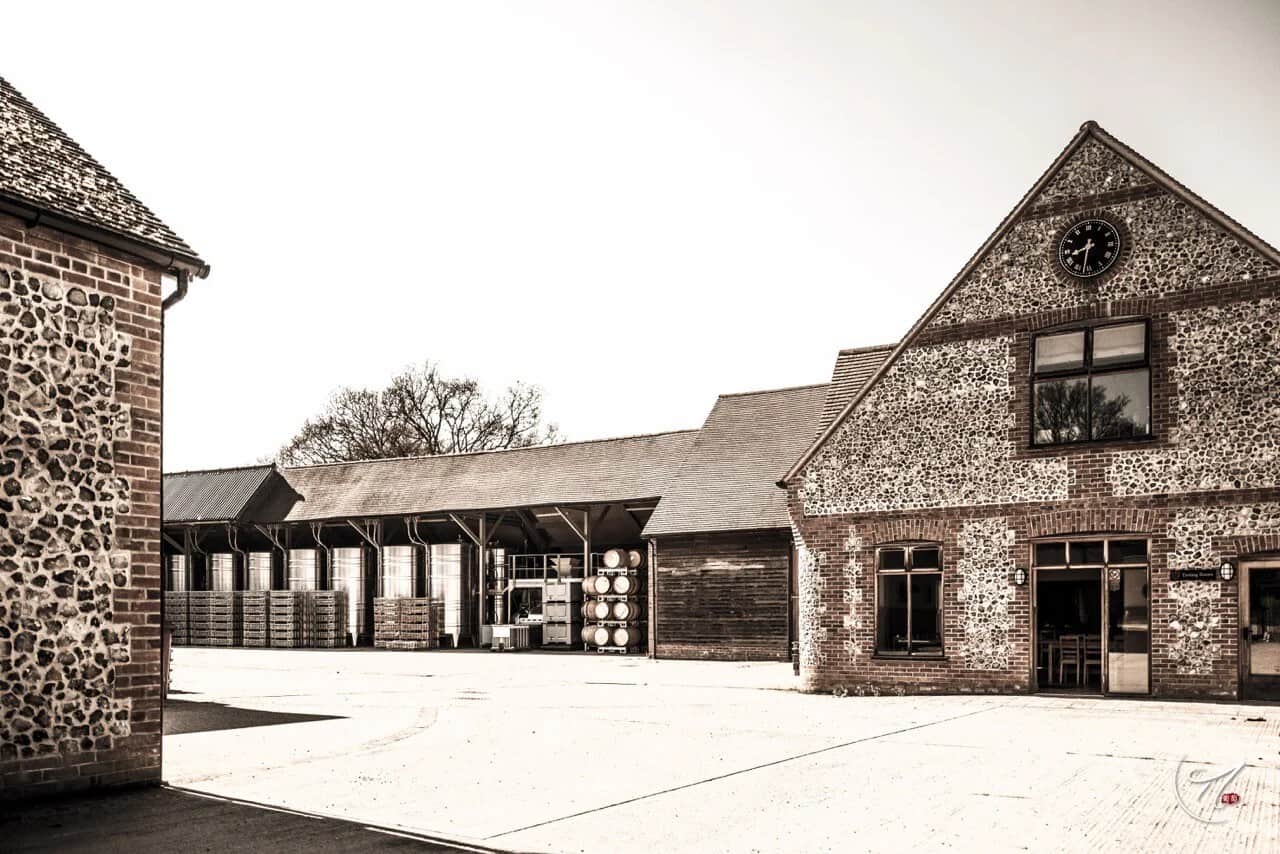
Behind the scenes at Hattingley Valley's Hampshire facility.
By the early 2000s, producers realised they could consistently and reliably ripen classic Champagne varieties. English sparkling wine stopped trying to copy continental still wines and started playing to its distinct regional strengths.
Hattingley Valley in Hampshire represents the moment the modern industry truly found its feet. They proved that the real breakthrough wasn't merely making wine in England—it was understanding exactly what England was uniquely good at. Their commercial success solidified the UK's reputation for world-class, premium traditional method fizz.
Chapter 4: Confidence & The "New England"
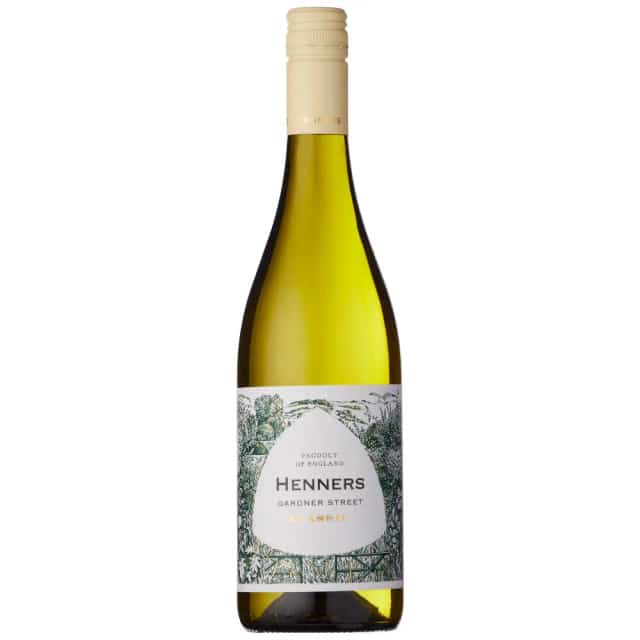
🥂 Henners Gardner Street Classic 2023 (Sussex)
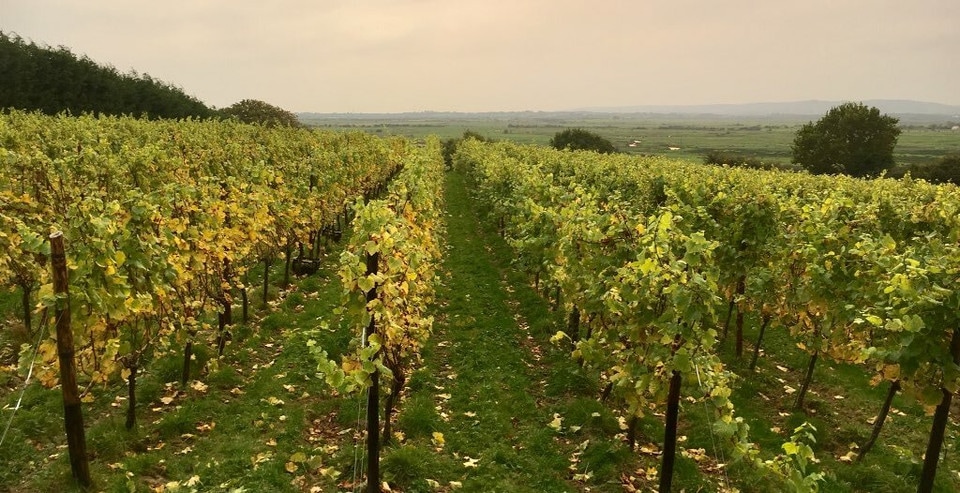
Advanced canopy management layouts at Henners.
Moving into the 2010s, the industry entered an era of supreme confidence. Henners, based in East Sussex, represents this modern wave of advanced vineyard architecture. Its Gardner Street Classic also shows the role of Bacchus in modern English still wine, blended here with Chardonnay.
Twenty years ago, English grape growers spent sleepless nights wondering if their fruit would ripen at all. Today, climate change is no longer a theoretical concept—it actively shapes stylistic choices every season. With better canopy management and a deeper understanding of clones, the conversation at Henners has flipped to preserving pristine acidity and fruit freshness amidst warming summers.
Chapter 5: The Urban Rebels
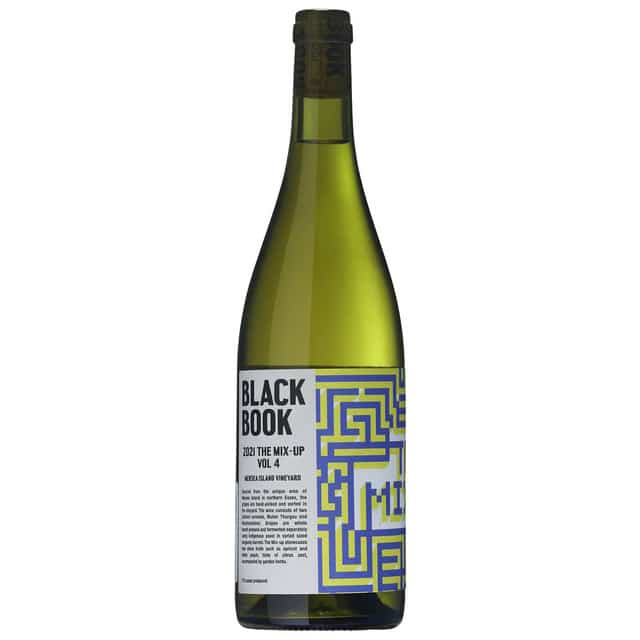
🍷 Black Book Mix Up Vol IV 2021 (London)
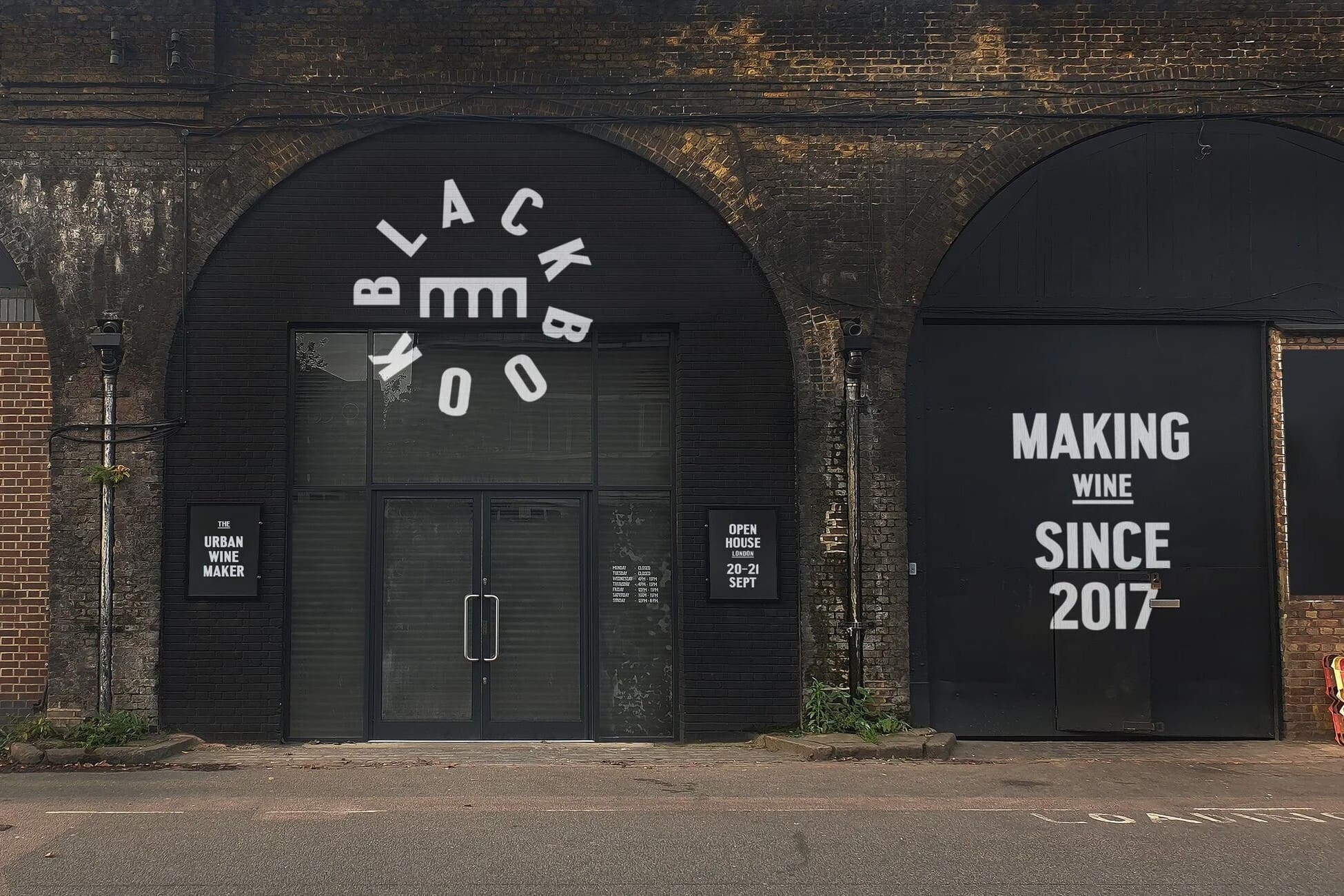
The low-intervention urban setup beneath London's railway arches.
With sparkling wine firmly established, a younger generation of winemakers arrived who didn't inherit centuries of rigid tradition.
Enter the rebels. As an urban winery operating out of London railway arches, Black Book sources small-batch fruit to focus strictly on minimalist, low-intervention vineyard expression. This is where the UK wine scene stops looking like a mirror image of Champagne and begins to resemble the innovative, high-energy spirit of Oregon, New Zealand, or Tasmania.
Chapter 6: Chardonnay Grows Up
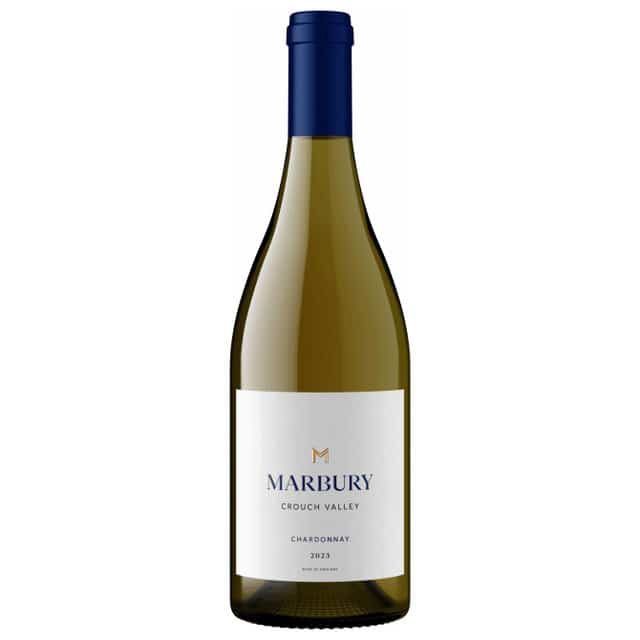
🥂 Marbury Chardonnay 2023 (Essex)
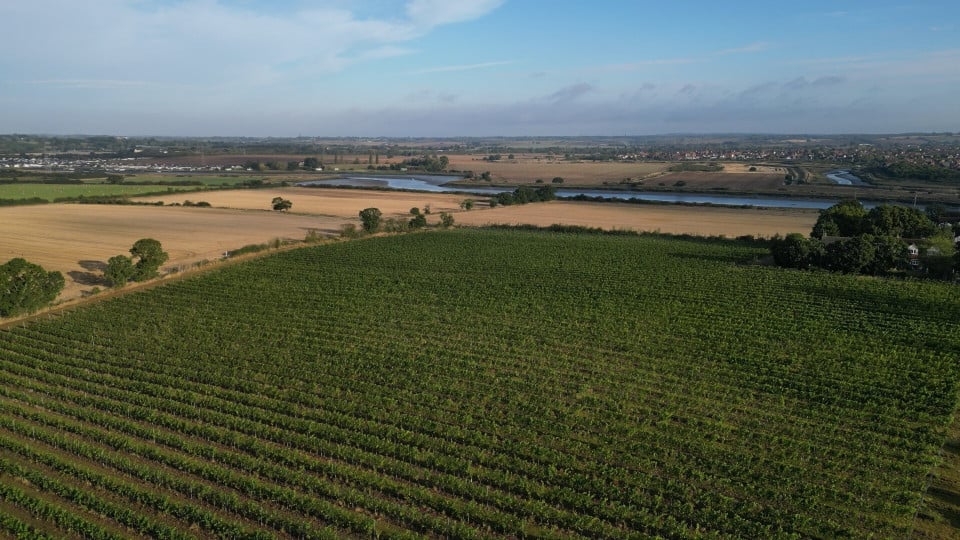
Still Chardonnay blocks primed for cool-climate precision.
For decades, Chardonnay in England was viewed almost exclusively as a blending component for sparkling wine. Now, it is emerging as one of our premier still wine varieties.
The Marbury Chardonnay targets the precision, tension, and natural acidity of a fine Chablis rather than the oaky weight of a Meursault. This incredible jump in still wine quality has caught global attention. Major international players—from Champagne houses like Taittinger and Pommery to California’s Jackson Family Wine Estates—are now investing heavily in British soil.
Chapter 7: Rethinking Value and Red Wine
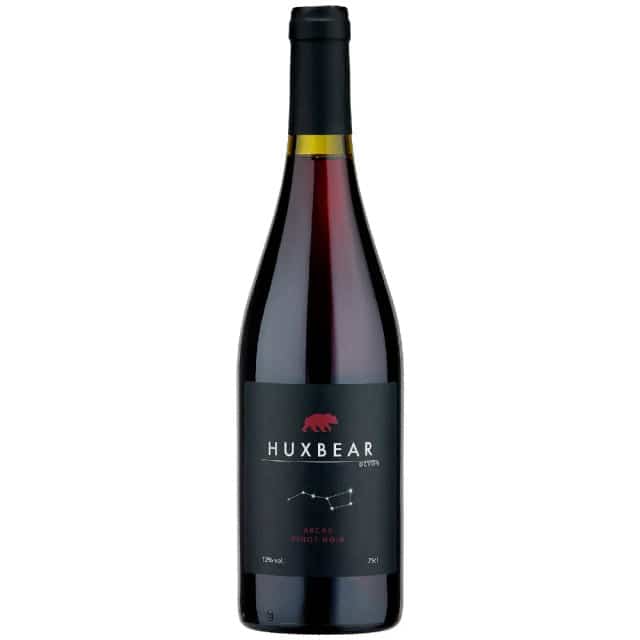
🍷 Huxbear Arcas Pinot Noir 2021 (Devon)
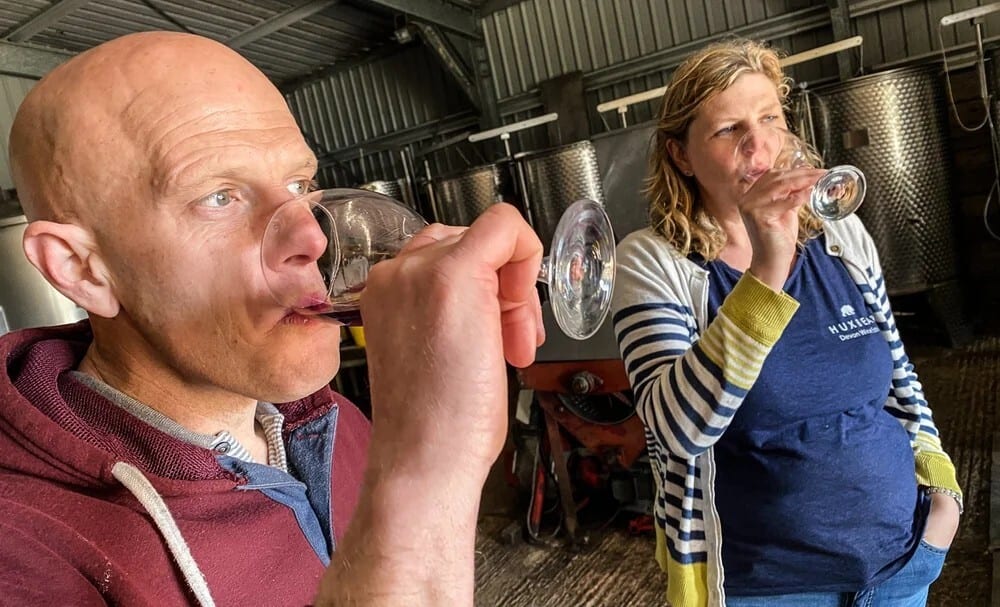
Ben and Lucy Hulland at Huxbear.
Still red wine was historically the weak link of British viticulture. However, warming seasons and a sophisticated understanding of Dijon clones have turned English Pinot Noir into a serious contender.
Huxbear, run by Ben and Lucy Hulland in Devon, provides a brilliant counterweight to the influx of corporate mega-money. English wine is notoriously expensive to produce due to high land and labor costs. Yet, Ben Hulland operates on a refreshing philosophy: sell the wine for what it is worth, not what it cost to make. While Peter Hall at Breaky Bottom spent decades coaxing greatness from hardy hybrid grapes, the modern Plumpton-trained Hulland works directly with pristine Pinot Noir clones.
Chapter 8: The Fully Mature Future
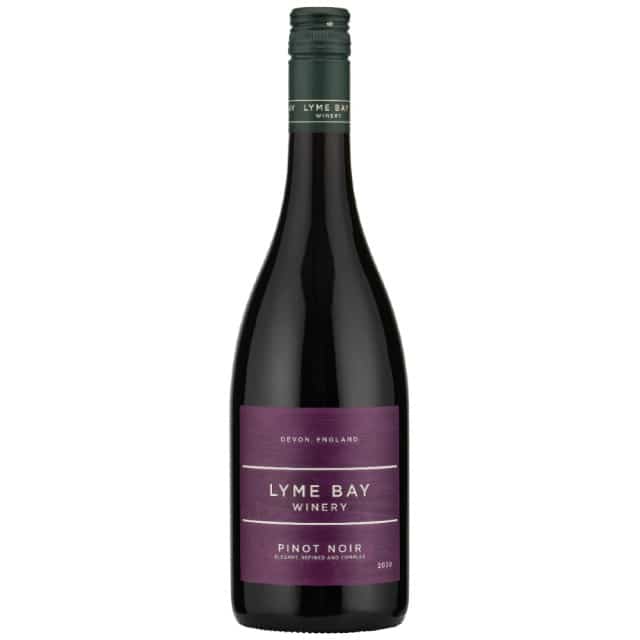
🍷 Lyme Bay Pinot Noir 2024 (Devon/Essex)
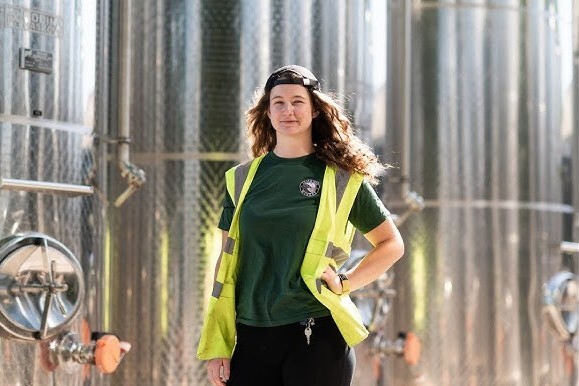
Winemaker Sarah Massey implementing international harvest expertise.
Our final bottle captures the ultimate destination of our wine journey. Crafted by winemaker Sarah Massey at Lyme Bay, this bottle breaks the traditional single-estate model.
Sarah represents the modern "Plumpton University" generation who travelled the world working harvests in Burgundy and beyond before returning to apply global expertise to British fruit. Lyme Bay doesn't rely on a single plot of land; they source the finest fruit from dedicated grower networks across the warmest pockets of the country, such as Essex.
Peter Hall trusted fifty years of experience in one Sussex valley; Sarah Massey works with growers across the country. Together, they show how far English wine has travelled. This isn’t the blueprint of an emerging, tentative wine region. This is the hallmark of a mature, sophisticated industry with its own bulletproof identity.
Explore More Cool-Climate Classics
The next few decades will see the continued dominance of our world-class sparkling wines, alongside the rapid ascent of serious, elegant still Chardonnays, vibrant Pinot Noirs, and our signature Aromatic white grape, Bacchus.