
Enjoying the blog?
I send two emails a week sharing wines I've been tasting, new discoveries from independent growers, and occasional stories from the vineyards.
Primitivo: Puglia’s Big Red (and the Grape Behind Zinfandel)

Table of Contents
Primitivo is one of those grapes people often discover by accident. You order a southern Italian red, it arrives dark and generous, and you remember the name.
It’s easy to like. Ripe fruit, soft tannins and plenty of warmth make it a reliable bottle for people who want a red with flavour but not too much grip. This variety also has real history, a strong link to southern Italy, and happens to be the same grape as California’s Zinfandel.
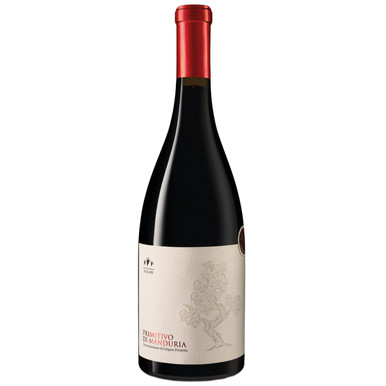
Felline Primitivo di Manduria, Puglia
£19.75
A generous, sun-soaked red from Manduria in southern Puglia. This is classic Primitivo, with plenty of ripe fruit but kept in check by freshness and… read more
Out of Stock
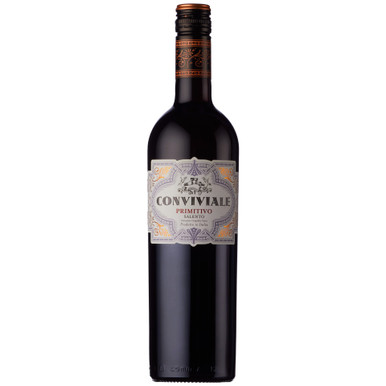
Conviviale Primitivo 2025, Salento
£12.75
A classic Primitivo from southern Italy. Ripe, full-flavoured and generous, with dark fruit and soft spice carried by a smooth structure. From the Salento peninsula… read more
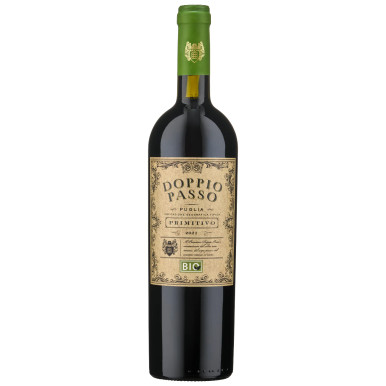
Primitivo di Salento Organic Doppio Passo 2025, Puglia
£15.95
Doppio Passo is an organic Primitivo from Puglia, rich and full-bodied with ripe blackberry, cherry and plum, soft spice and a smooth texture.The grapes are… read more
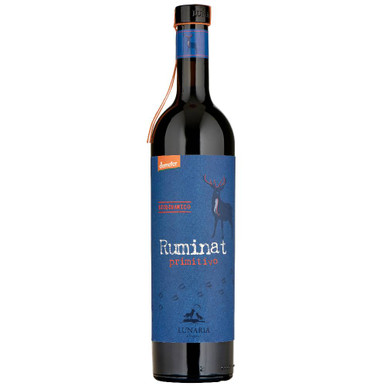
Lunaria “Ruminat” Primitivo 2025, Abruzzo
£19.50
Ruminat is a biodynamic Primitivo from Abruzzo, full-bodied and smooth with black cherry, blackcurrant, violet and warm spice.It is made by Cantina Orsogna under its… read more
In this guide we’ll cover what it is, where it comes from, what it tastes like, the main Italian appellations, and what it works with at the table.
If you’d rather skip straight to the bottles, you can browse our full range here:
Primitivo wines at Wickhams
What is Primitivo?
This is a red grape best known for producing full-bodied, dark-fruited wines with warmth and spice. It’s most closely associated with Puglia, in the deep south of Italy.
The name refers to early ripening. It tends to mature sooner than many varieties, which suits a hot region where timing matters.
The style is usually generous rather than subtle. Ripe fruit sits at the centre, supported by moderate acidity and rounded tannins. When handled well, the wines feel balanced rather than heavy.
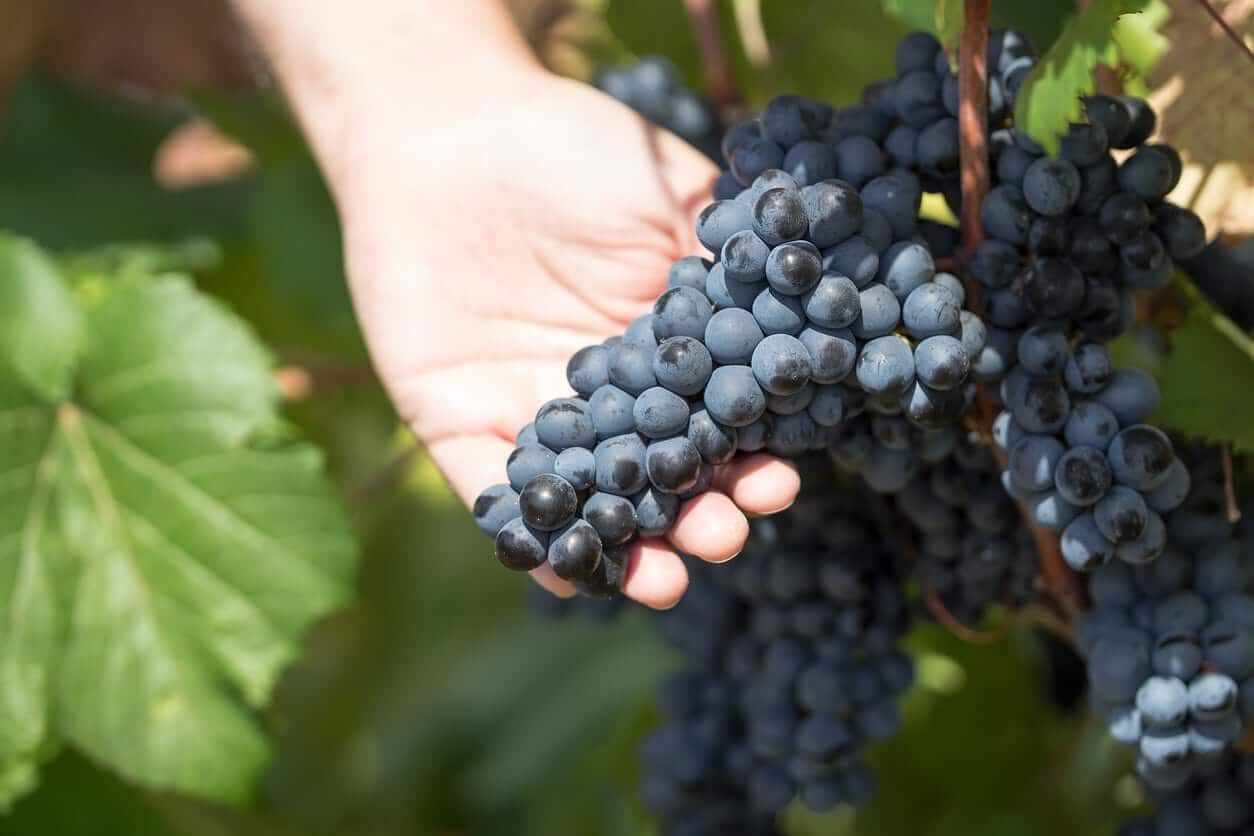 Freshly harvested grapes in Manduria
Where does it come from?
Although it’s firmly embedded in southern Italy today, its deeper roots lie in Croatia, where it has historically been known as Tribidrag, and more recently as Crljenak Kaštelanski.
From there it travelled. In Puglia it picked up the name used today. In California it became famous under another name: Zinfandel.
Primitivo and Zinfandel
These two are genetically identical. They are the same grape variety.
The wines can taste different because of climate and winemaking choices. Californian Zinfandel is often made in a very ripe, sometimes almost jammy style. The Puglian versions tend to show more savoury spice alongside the fruit, and the better examples have a steadier balance that suits food well.
If you enjoy one, you will usually enjoy the other. Primitivo also tends to appeal to Malbec drinkers, offering similar ripe fruit and generosity but often with softer tannins.
The Main Italian Appellations
Not all examples are the same. Where it’s grown in Puglia makes a difference, and the label will usually tell you.
Manduria DOC and DOCG
Manduria is the most famous name associated with this grape. It sits in the southern part of Puglia, close to the coast.
Wines from this area are often among the richest and most concentrated examples. Old vines are common here, and the combination of heat, sunlight and sea influence produces wines with depth, high alcohol and plenty of dark fruit.
There is also Primitivo di Manduria Dolce Naturale DOCG, a sweeter style made from very ripe grapes. These are powerful wines, more for slow sipping than everyday drinking.
If you see Manduria on the label, you can usually expect a fuller, more structured style.
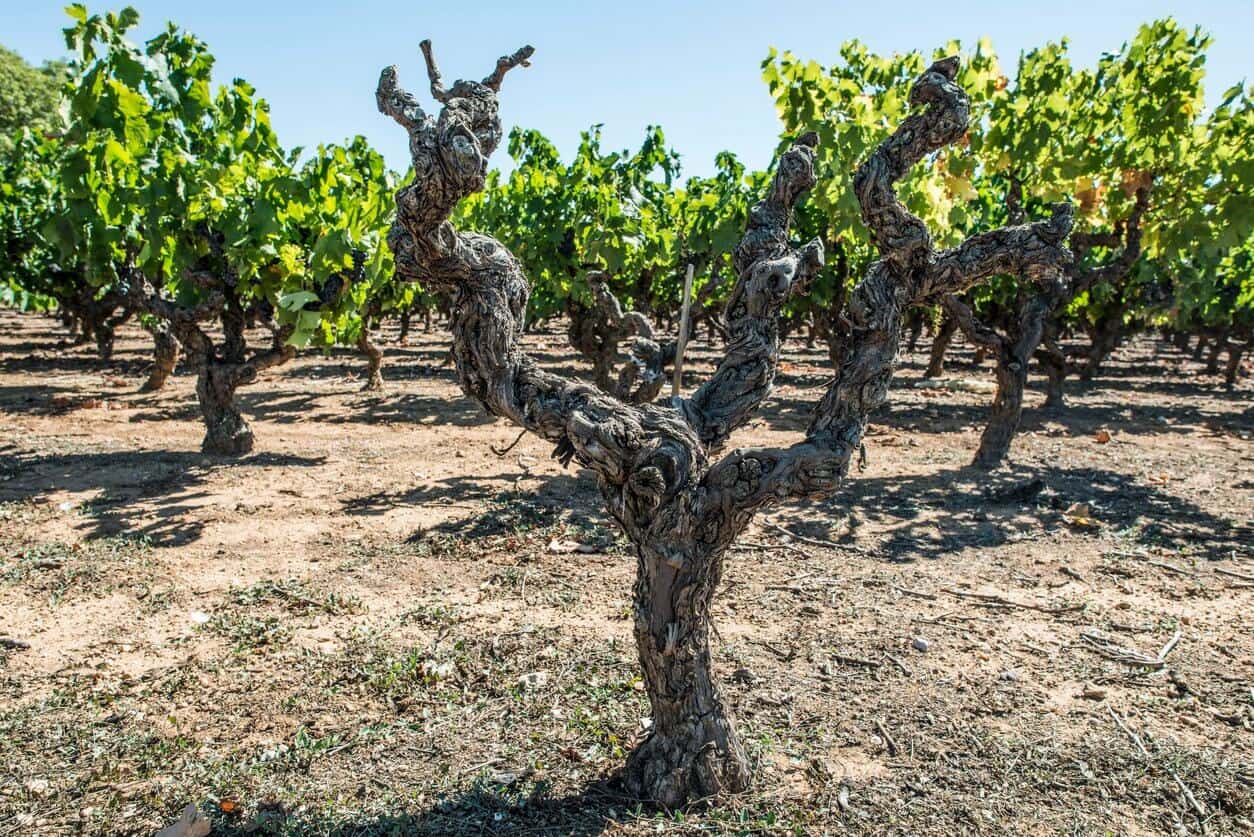 Old bush vines in Manduria
Salento IGT
Salento IGT covers a broader area of southern Puglia. Many wines made from this variety fall under this designation.
Salento bottlings can range from straightforward and fruit-forward to more serious expressions. In general, they tend to be slightly fresher and more approachable than the biggest Manduria examples, though quality depends more on the producer than the appellation itself.
For everyday drinking, Salento IGT wines often offer very good value.
Gioia del Colle DOC
Further north in Puglia is Gioia del Colle DOC, an area with slightly higher elevation and more limestone in the soils.
Wines from Gioia del Colle can show a firmer structure and brighter acidity. They sometimes feel a little tighter and more savoury compared to the plush style of Manduria.
It’s a less common name in the UK, but worth knowing if you come across it.
What does it taste like?
Most examples sit squarely in the dark-fruit spectrum. Common characteristics include:
- Blackberry and black cherry
- Plum and damson
- Liquorice
- Sweet spice
- Dried herbs
- Cocoa or dark chocolate in riper styles
The body is usually full. Tannins are present but rarely aggressive. Acidity is moderate, which gives the wine a rounded feel.
Alcohol levels can be high, especially in Manduria. That warmth is part of the style, but it’s another reason these wines tend to work best with food.
That combination is a big part of the grape's appeal. Primitivo is fruity, reliable and generally low in tannin, making it an easy recommendation for people who enjoy fuller-bodied reds but don't want anything too austere.
Why Puglia suits this grape
Puglia is hot, dry and bright through most of the growing season. The variety ripens easily here.
The best vineyards often rely on:
- Old bush-trained vines
- Limestone and clay soils
- Coastal airflow to moderate extreme heat
When yields are controlled and harvest timing is sensible, the wines retain enough freshness to balance their richness.
Without that care, the style can become heavy. The difference between a good bottle and a merely ripe one is often vineyard discipline.
Food Pairing
If there is one setting where Primitivo consistently shines, it is a barbecue. The ripe fruit stands up well to smoke, char and sweet marinades, while the softer tannins keep it easy to drink alongside grilled meat and vegetables.
Food Pairing
- Tomato-based pasta and ragù
- Grilled lamb or pork
- Sausages with fennel or herbs
- Barbecue
- Slow-cooked beef
- Aubergine dishes
- Hard cheeses such as pecorino or aged cheddar
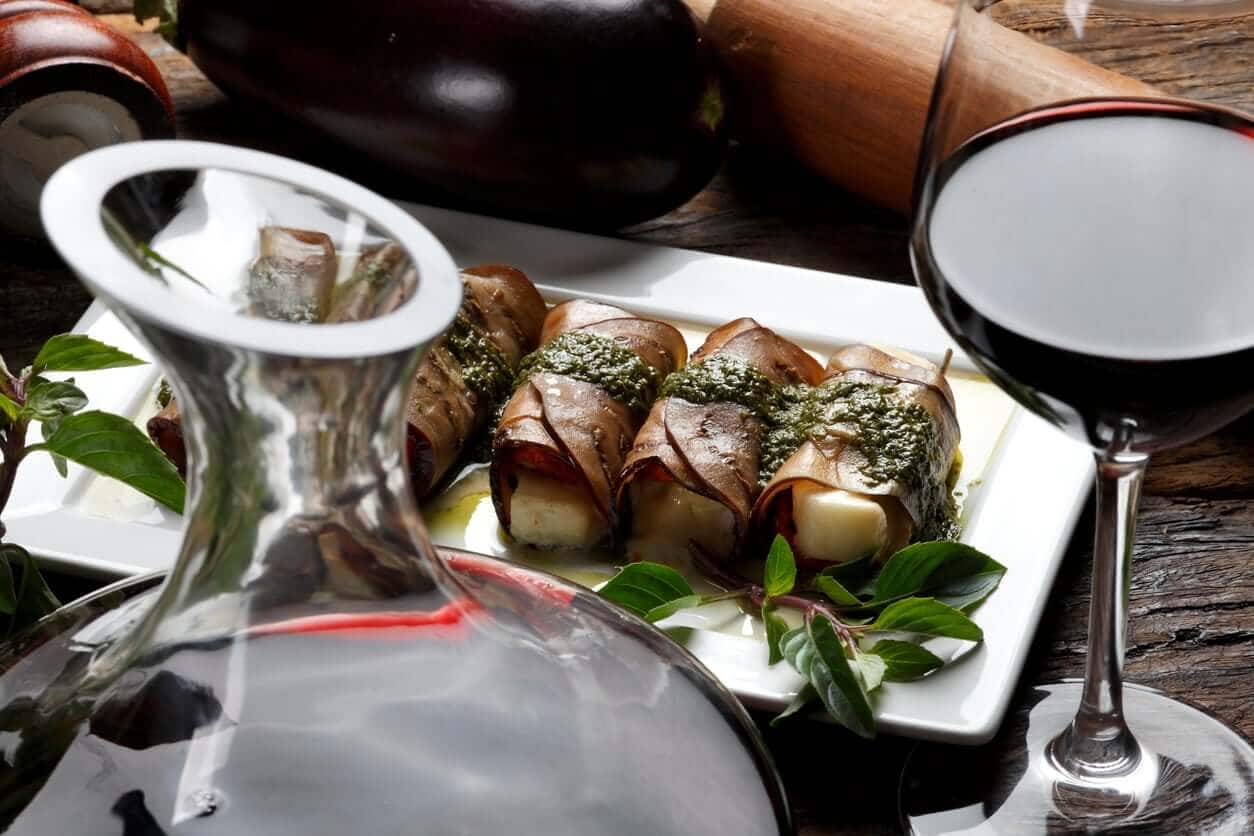 Aubergine rolls stuffed with cheese
It is also one of the most reliable crowd-pleasing reds we sell. Every wedding we have supplied wine for this year has chosen Primitivo as the red wine. It appeals to a wide range of drinkers without being too tannic or demanding.
If you want to explore the different expressions of the grape, it’s worth trying bottles from more than one appellation.
You can see the full current range here:
Shop Primitivo wines
Within the category you may find:
- Salento IGT examples that focus on open, generous fruit
- Wines from Manduria with more weight and depth
- Organic or biodynamic bottlings that show a slightly more savoury edge
Stock changes, so the category page is the best reference point.
When to drink it
This is a useful red when you are buying for a group. It has enough fruit to satisfy committed red wine drinkers, but rarely puts off those who only drink red occasionally.
It works well for:
- Midweek pasta
- Winter cooking
- Informal dinners
- Anyone who enjoys Shiraz, Malbec or Zinfandel
Most bottles are ready to drink on release. The more structured Manduria examples can age for a few years, but this is not a grape that demands long cellaring.
If you’re serving it slightly cooler than room temperature, it often shows better. Fifteen minutes in the fridge can help rein in the warmth and bring out more of the savoury side.
A large glass also helps. It gives the wine space to open up, especially if it’s young or from a warmer site.
Final thoughts
Primitivo is popular because it does a useful job. It delivers ripe fruit, soft tannins and plenty of flavour without demanding too much from the drinker. It also carries more history than many realise, from its Croatian origins to its Italian identity and its American twin, Zinfandel.
Within Puglia, names like Manduria, Salento, and Gioia del Colle help explain why some bottles feel bigger, firmer or fresher than others.
If you are looking for a red for a barbecue, a wedding table, or a group of Malbec drinkers, Primitivo is a safe place to start.
Browse the current selection here:
Primitivo wines at Wickhams
FAQs
Is Primitivo the same grape as Zinfandel?
Yes. They’re genetically identical. The wines can taste different because they’re grown in different climates and made in different styles.
Is Primitivo always sweet?
No. Most are dry. Some taste slightly sweet because the fruit is very ripe, but that doesn’t necessarily mean there’s leftover sugar.
What is Primitivo di Manduria?
A DOC in southern Puglia known for richer, more concentrated wines. If you see Manduria on the label, you can usually expect a fuller style.
What’s the difference between Salento and Manduria?
Manduria is a specific DOC zone and tends to produce bigger wines. Salento is a broader IGT designation and often includes fresher, more straightforward bottles. Quality still depends on the producer.
What does it taste like?
Typically: dark cherry, blackberry, plum, sweet spice, and sometimes liquorice or cocoa. The texture is usually rounded, with moderate tannin and warmth.
What food works best?
Tomato-based pasta, grilled meats, sausages, barbecue, slow-cooked beef, aubergine dishes, and hard cheeses.
Should I chill it?
Slightly, yes. Fifteen minutes in the fridge can help it feel fresher and keep the alcohol in check.
How long can you keep it?
Most are made to drink young. Better examples, especially from Manduria, can age for a few years, but it’s not usually a long cellaring style.