
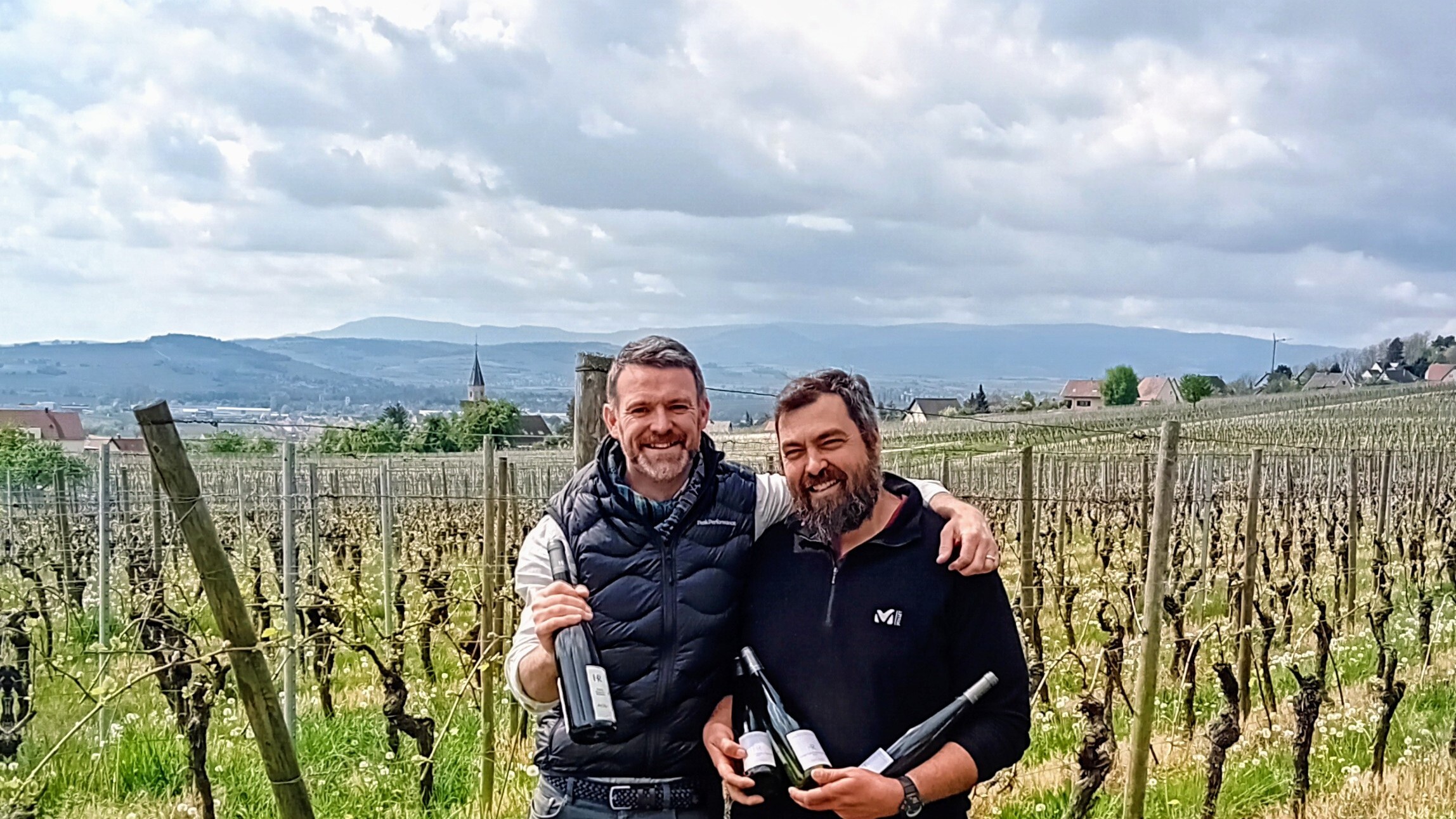
Enjoying the blog?
I send two emails a week sharing wines I've been tasting, new discoveries from independent growers, and occasional stories from the vineyards.
Biodynamic Wines Explained: What They Are & Why They Taste Better

Table of Contents
Biodynamic wines can divide opinion. For some, they represent the most thoughtful, respectful way to grow grapes. For others, they sound suspiciously like woo-woo wine made by moonlight with a cow horn and an astrological calendar. At Wickhams, we sit somewhere comfortably in the middle. We’re sceptical about anything that can’t be proven by science – but we’re also convinced that many biodynamic wines simply taste better. And that, ultimately, is what matters.
So what exactly are biodynamic wines, how do they differ from natural wines, what’s the role of sulphites, and why do we choose to work with biodynamic producers? Let’s take a clear, grounded look.
What Are Biodynamic Wines?
Biodynamic wine is made from grapes grown using biodynamic viticulture, a farming system that builds on organic principles but goes further. Like organic farming, biodynamics avoids synthetic pesticides, herbicides and fertilisers. But it also treats the vineyard as a living, self-sustaining ecosystem.
In practice, biodynamic growers focus heavily on soil health, composting, biodiversity and natural balance. Vineyards are encouraged to support insects, plants and microorganisms rather than suppress them. This approach requires far more observation and manual work than conventional farming.
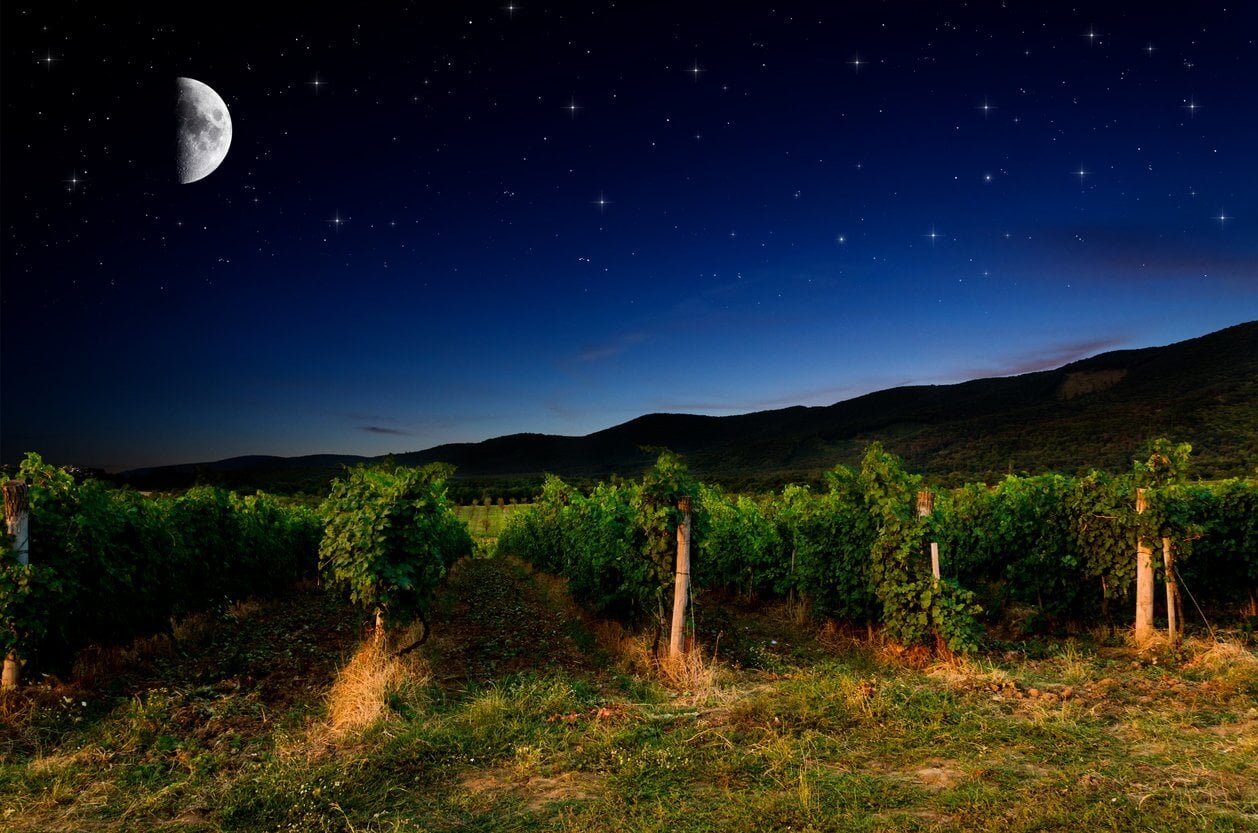
The most talked-about aspect of biodynamic winegrowing is the use of a lunar and astrological calendar, which suggests certain vineyard tasks should happen on specific “fruit”, “leaf”, “root” or “flower” days. We’ll be honest: there’s no scientific proof that the moon affects grape quality. But what is undeniable is that biodynamic growers are deeply attentive, disciplined and engaged with their vineyards – and that care often shows in the finished wine. If you want to see more examples of wines made this way, check out our biodynamic collection.
Why Does Biodynamic Wine Taste Better?
From our experience – and from many blind tastings – biodynamic wines often show greater freshness, balance and clarity of flavour. They frequently express their place more clearly, without being masked by heavy winemaking techniques.
Our view is simple: biodynamic farming demands attention. You can’t farm biodynamically on autopilot. You have to watch the vines closely, respond to the season, and accept that nature is in charge. Better grapes, grown with care, usually make better wine. No mysticism required.
If you’re curious, you can browse our full selection of biodynamic wines to see examples of wines that overlap with the natural wine movement.
Biodynamic vs Natural Wines: What’s the Difference?
This is a common question, and it’s easy to see why – there’s a lot of crossover.
Biodynamic wines are defined mainly by how the grapes are grown. The focus is on vineyard practices, soil life and ecosystem health. In the winery, biodynamic producers may still use temperature control, modern equipment and small amounts of sulphur where needed.
Natural wines, by contrast, are defined mostly by how the wine is made. Natural winemaking aims for minimal intervention in the cellar: native yeasts, little or no filtration, and very low – sometimes zero – added sulphites. There is no legal definition of natural wine, so standards vary widely.
Many biodynamic producers also make wines in a very natural style, but not all natural wines are biodynamic, and not all biodynamic wines are natural. At Wickhams, we’re less interested in rigid labels and more interested in whether the wine is balanced, expressive and a pleasure to drink.
Sulphites in Biodynamic Wines
Most biodynamic wines do contain sulphites, but typically at lower levels than conventional wines. Sulphur dioxide is a natural by-product of fermentation, and small additions can help stabilise wine and protect it during transport and ageing.
Biodynamic standards place strict limits on sulphite use, especially compared to conventional winemaking. Zero-sulphur wines do exist, but they’re not automatically better – and they can be unstable if not handled carefully.
Our view is pragmatic: sulphites are a tool. Used gently and sparingly, they preserve freshness without stripping character. The best biodynamic producers understand this balance.
Demeter Certification: What It Means
When you see the Demeter certification logo on a bottle, it means the wine has been independently certified as biodynamic. This is important, as “biodynamic” isn’t just a marketing term – it’s a regulated standard.
Demeter certification covers vineyard management, composting, biodiversity, permitted treatments and strict limits on additives, including sulphites. Certification is time-consuming and expensive, which is why not all biodynamic producers pursue it, but when they do, it provides reassurance that the work is genuine.
Biodynamic Producers We Work With
We don’t stock biodynamic wines for fashion’s sake. We work with producers whose wines consistently deliver quality and reflect a genuine commitment to their land.
Château Font Barriele

Located in the Costières de Nîmes, Château Font Barriele farms biodynamically within a protected natural environment. Their wines – from Rhône reds to elegant rosé – are fresh, balanced and quietly expressive, reflecting both place and care rather than winemaking tricks.
Cantina Orsogna
Cantina Orsogna (also known as Biovineria) applies biodynamic principles across a wide range of Italian grape varieties. These wines show vibrancy, purity and character, proving biodynamic farming works just as well at scale when done properly.
Domaine des Amphores
Domaine des Amphores combines biodynamic viticulture with minimal intervention winemaking. The result is wines that feel natural, balanced and expressive, with nothing added for effect.
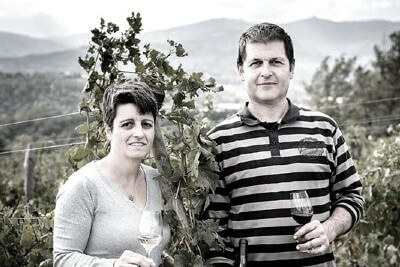
Domaine Michel Magnien
In Burgundy, Domaine Michel Magnien is a standout biodynamic estate. The move to biodynamics has brought greater precision and energy to their wines, delivering classic Burgundy with freshness and clarity.
Are Biodynamic Wines Worth It?
Biodynamic wines often cost more, largely because farming this way demands more labour, more risk and more attention. But the payoff is frequently in the glass: wines with vitality, balance and a strong sense that someone truly cared while making them.
You don’t need to believe in moon cycles to enjoy biodynamic wines. We don’t. But we do believe that careful farming, restraint and respect for the vineyard make better wine. Biodynamic winemaking demands all three.
If you’re curious, the best advice is simple: pour a glass and decide for yourself. Explore the full range in our biodynamic wines collection.
FAQs
What are biodynamic wines?
Biodynamic wines come from vineyards managed holistically, focusing on soil health, biodiversity, and sustainable practices. The attention given to each vine often results in wines that are more expressive and balanced.
How are biodynamic wines different from natural wines?
Biodynamic wines are defined by vineyard practices, while natural wines are defined by minimal intervention in the cellar. Some wines are both biodynamic and natural, but the two terms are not the same.
Do biodynamic wines contain sulphites?
Most biodynamic wines contain sulphites, but at lower levels than conventional wines. Minimal sulphites help preserve freshness and stability without affecting flavour.
What is Demeter certification?
Demeter certification verifies that a wine meets strict biodynamic standards, including vineyard health, limited additives, and sustainable practices. It’s the official mark of genuine biodynamic wines.
Are biodynamic wines more expensive?
Biodynamic wines can cost more because the farming is labour-intensive and requires detailed care. The extra effort usually translates into higher-quality, more expressive wines.
Do I need to believe in moon cycles to enjoy biodynamic wines?
Absolutely not. While some biodynamic producers follow lunar calendars, it’s the attention and care in the vineyard that makes the biggest difference. The moon stuff is tradition — the quality comes from hands-on dedication.