
Enjoying the blog?
I send two emails a week sharing wines I've been tasting, new discoveries from independent growers, and occasional stories from the vineyards.
Oxidative Wines from Jura: Savagnin, Voile and Vin Jaune Explained
Oxidative Jura wines are deliberately aged with controlled oxygen exposure, creating savoury, nutty and spicy flavours. Savagnin is the region’s key grape, while ageing under a layer of yeast called voile produces distinctive styles including Vin Jaune.
Table of Contents
“Is it meant to smell like that?” Understanding oxidative wines from Jura can take a moment.
That’s often my first reaction when I try particularly idiosyncratic wines. Modern technological wine making is designed to keep the wine and oxygen apart leading to clean, fruity flavours but some producers flirt with a bit of oxidation while others dive head first in.
Most drinkers are familiar with the fresh, fruit-driven style that modern cellars tend to produce. Stainless steel tanks, temperature control and careful handling all aim to preserve the grape’s primary aromas. It is a reliable approach and produces wines that are bright, clean and easy to understand.
But wine did not always taste this way. For much of its history, winemakers worked with methods that allowed at least a little oxygen into the wine during ageing. In certain places those techniques survived, and the resulting wines developed flavours that are quite different from the modern norm.
Oxygen flirting wines include traditional Rioja like Viña Tondonia or Chateau Musar from Lebanon. Both have a tang of what’s known in the trade as volatile acidity; in layman’s terms, vinegar.
For certain Champagnes like Bollinger and most notably Jacques Selosse oxidative flavours like bruised apple are all part of the house style.
Move further into the world of oxygen and you have things like tawny port which owes its colour and flavour to contact with the air while oloroso sherry is completely oxidised. Treatment that would render a normal table wine undrinkable leads to the creation of some of the world’s greatest wines. Think of it in cheese terms: you want mould on your Stilton, you don’t want it on your Vache qui rit.
What is oxidative winemaking?
Oxidative winemaking simply means allowing controlled contact between wine and oxygen during ageing. In most modern wines oxygen is avoided as much as possible because it quickly dulls fresh fruit flavours. In oxidative styles, however, the winemaker allows small amounts of air to interact with the wine over time.
This approach is particularly important when trying to understand oxidative wines from Jura, where traditional cellar practices deliberately allow this slow interaction with air.
The result is a gradual shift in flavour. Fresh fruit gives way to more savoury characteristics: nuts, dried apple, spice and sometimes a faint curry-like note. Done well, this adds layers of complexity. Done badly, it can push the wine towards something closer to vinegar.
Nowhere demonstrates the effects of oxygen better than the eastern French region responsible for these unique expressions. If you want to explore the style, you can browse our Jura wines online.
The skill lies in knowing how far to take it. The best examples manage to keep a thread of freshness while adding savoury depth, which is exactly what makes the best oxidative wines from Jura so distinctive.
Why oxidative wines from Jura taste different
Nowhere demonstrates the gradations of oxygen’s effect on a wine better than Jura in eastern France. This tiny region over the mountains from Burgundy was for years completely forgotten about allowing some unique styles of wines to develop. Unfortunately for wine lovers of modest means, about ten years ago the world woke up to what was going on in this little corner of France and prices have risen commensurately.
The Jura landscape itself plays a role. Vineyards sit on a series of limestone ridges that run north to south along the foothills of the Alps. The climate is continental, meaning cold winters and warm summers, which helps preserve acidity in the grapes. This natural freshness gives the wines the backbone they need to handle long ageing.
It is this combination of tradition, climate and grape varieties that has allowed oxidative wines from Jura to develop such a strong identity. In a region this small, the range of styles is surprisingly wide.
Jura shares certain similarities with its cousins in Burgundy with both Chardonnay and Pinot Noir planted. These are joined by some more obscure varieties like the red grapes Trousseau and Poulsard, and the white Savagnin.
This last one is not to be confused with Sauvignon, it is actually a clone of Traminer, so genetically identical to Gewürztraminer but makes wines that taste nothing like Alsace. What can I say? Wine can be complicated.
Savagnin and voile ageing
Domaine Sainte Marie is a 40 hectare estate which is owned by Bertrand de Sainte Marie and his son. It is currently in conversion to organic farming. It’s located just below the hills of Château-Chalon, the historic home of Vin Jaune.
In addition to this regional speciality, which we will come on to shortly, Domaine Sainte Marie produces two other Savagnin-based wines.
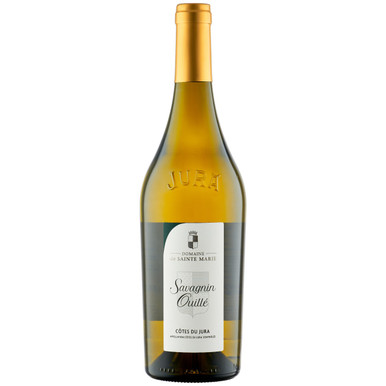
The most conventional is called Savagnin Ouillé - the latter word meaning ‘topped up’. This is kept in a cask with no oxygen contact which accentuates the floral and fruity side of the Savagnin grape and makes a superb white Burgundy alternative.
Domaine de Sainte Marie Savagnin Ouillé 2020, Côtes du Jura
£30.50
If you are curious about Jura wines but wary of the strongly nutty, oxidative flavours the region is famous for, this is a good place… read more
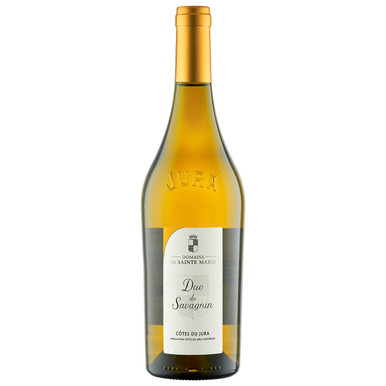
Getting stranger is the Duo de Savagnin which won a Coup de Coeur, the highest accolade in France’s wine bible, Guide Hachette des Vins. It has a fresh fruit taste but accentuated with flavours of cooked apple, hazelnut and a distinct tang of acidity. It gets its remarkable flavour from a blend of 50% Savagnin Ouillé and 50% oxidised wine - the latter is a speciality of the region.
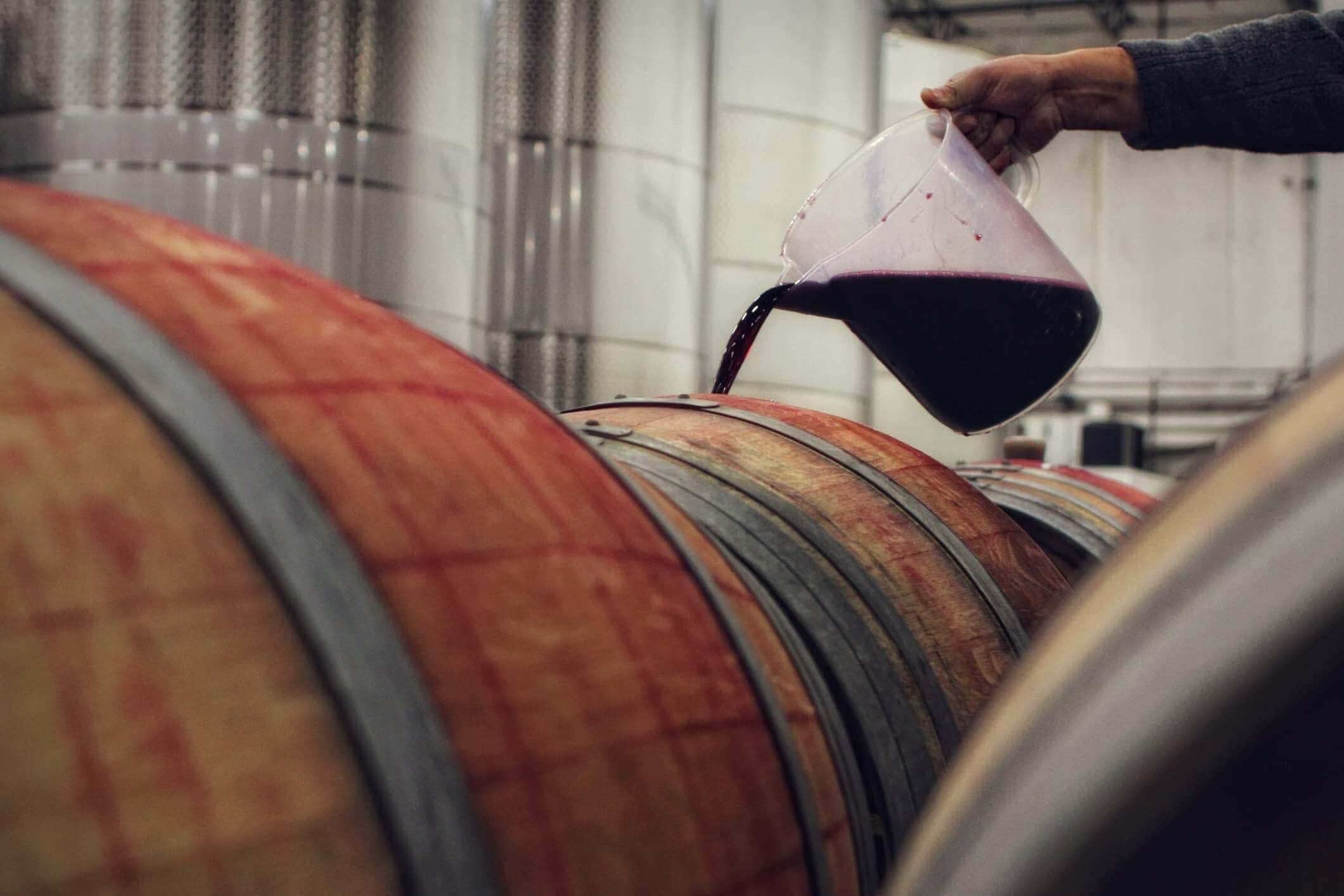
This last involves keeping the Savagnin wine in traditional 228 litre casks with a gap at the top. A layer of yeast forms which is known as voile.
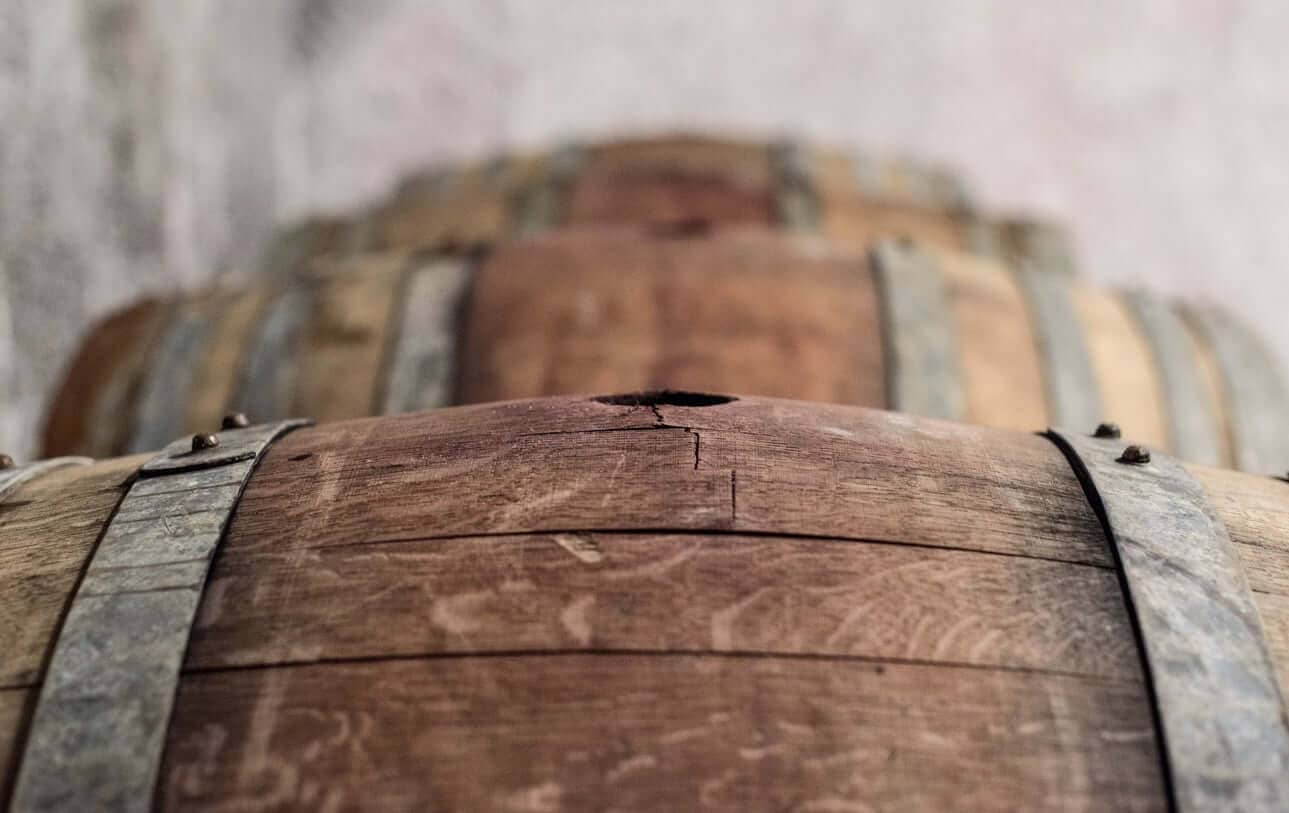
Unlike the thick flor in sherry, this is much thinner so while a fino will be protected from oxygen, voile wine ages with oxygen. It’s an extremely risky process, creating volatile compounds which could turn the whole thing to vinegar but it’s definitely a chance worth taking. This patient ageing process lies behind many of the most distinctive oxidative wines from Jura.
Domaine de Sainte Marie Duo de Savagnin, Côtes du Jura
£32.50
If you want to explore the savoury, nutty side of Jura without going all the way to Vin Jaune, Duo de Savagnin sits neatly in… read more
Vin Jaune
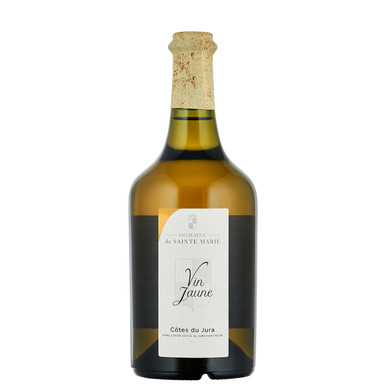
Some of these voile wines are blended as with the Duo de Savagnin while others are set aside for continued ageing into one of the world’s rarest wines, Vin Jaune (yellow wine).
Vin Jaune must spend at least 60 months ageing under its yeast veil and cannot be released until 15 December of the sixth year following the harvest. It is then bottled in the Jura’s distinctive 62cl clavelin. According to local tradition, this is the amount left from a litre of wine after the ageing process.
The flavours of Vin Jaune are like nothing else you’ve ever had. Some smell of cumin, others of blue cheese - disaster in a normal wine but all part of the fun here. There’s always a tang of volatile acidity and layers and layers of hazelnuts and almonds.
But unlike an oloroso, a Vin Jaune still has the character of the fresh wine running through it. That’s the magic of controlled oxidation, and it is why the greatest oxidative wines from Jura remain some of the most distinctive bottles in the world of wine.
Domaine de Sainte Marie Vin Jaune 2015, Jura
£69.85
Vin Jaune is Savagnin at its most distinctive: intense, savoury and unlike almost any other wine. Domaine de Sainte Marie's 2015 has toasted walnut, almond,… read more
Where to start with Jura wines
If you are curious about Jura wines but unsure where to begin, it can help to think of the styles as a gradual progression.
- Savagnin Ouillé – the fresher style, where the barrels are topped up and oxidation is avoided.
- Blended styles such as Duo de Savagnin – part fresh wine, part oxidative wine.
- Vin Jaune – the full expression of Jura’s traditional oxidative approach.
The Savagnin Ouillé is a great place to start to appreciate Jura Savagnin, followed by the Duo de Savagnin. Or you could just dive in with the Vin Jaune and serve it with a nice piece of Comté.
The first sip, you might find baffling, the second intriguing, but by the third, I guarantee that you will be hooked.