

Enjoying the blog?
I send two emails a week sharing wines I've been tasting, new discoveries from independent growers, and occasional stories from the vineyards.
Food and Wine for Easter, My Top Picks

Choosing wine for Easter doesn’t need to be complicated, but it’s worth giving it a bit of thought. It’s usually a familiar kind of meal. Roast lamb for many, something lighter for others, and a lunch that tends to run on. The wine doesn’t need to be grand, but it does need to work with the food.
For Easter the aim isn’t to find something impressive. It’s to find something that fits. A bottle you can come back to from the first plate to the last without thinking too much about it.
This is a simple guide to wine for Easter. Not a long list, just a few directions and some bottles that make sense.
A quick way to choose wine for Easter
- For roast lamb: Go for a southern Rhône red. Domaine de l’Amandine “Séguret” is a good place to start, with enough fruit and spice to sit naturally with the meat.
- If you want something with more depth: Step up to Lirac. Domaine Maby “Nessun Dorma” has a bit more structure without losing balance.
- For an alternative to Rhône: Rioja works well. Ontañón Crianza brings structure and a touch of oak that suits roast flavours.
- If you’re serving white: Choose something with a bit of weight. Gómez Cruzado Blanco has enough texture to carry the meal.
- For a lighter option: Rosé can work, but go for one with structure. Tavel has the weight to hold its place at the table.
Wine for Easter and roast lamb
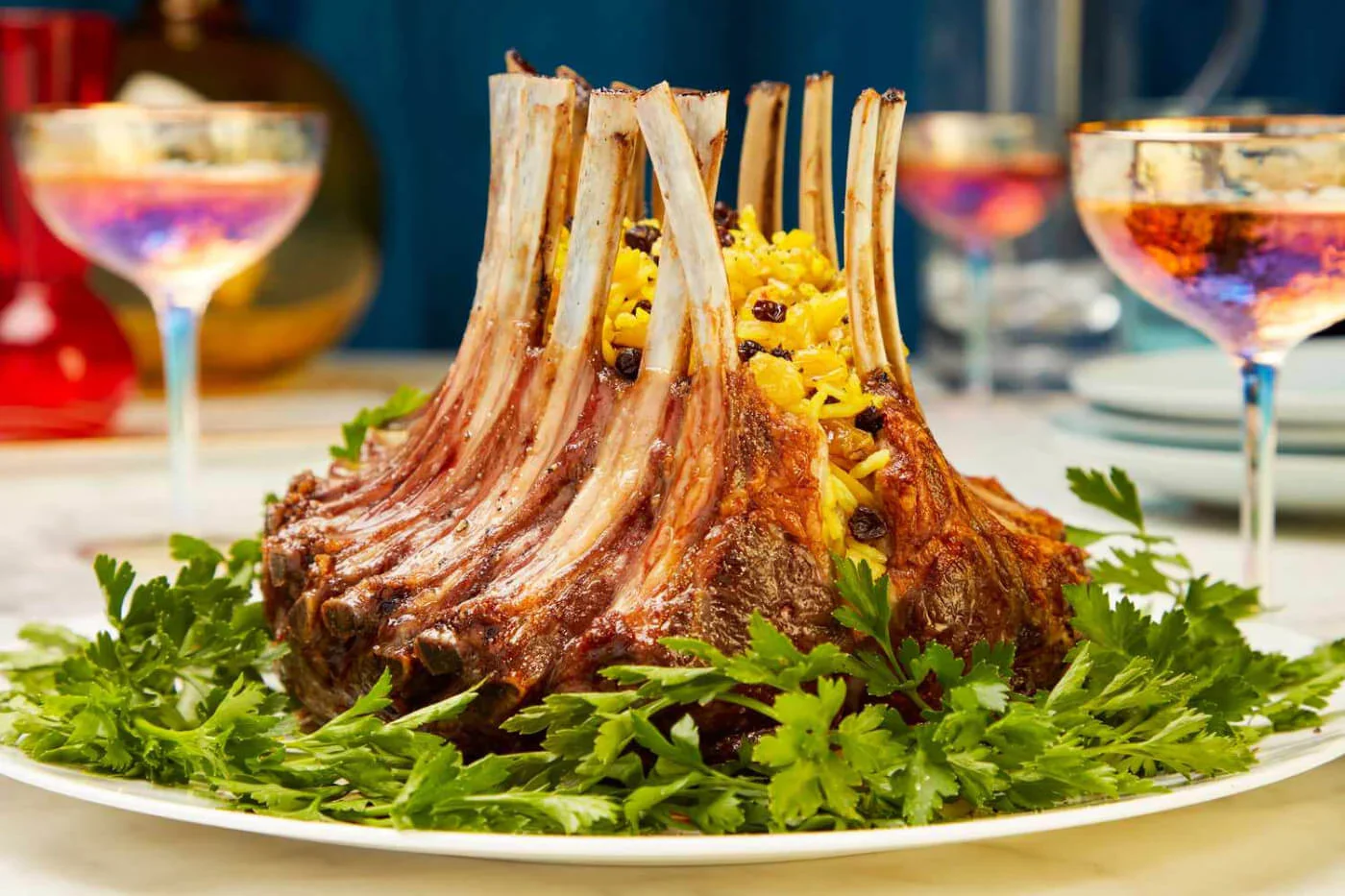
When people think about Easter lunch, they usually start with lamb. It’s rich but not heavy, often cooked with garlic, rosemary and a bit of colour from the oven. That points you towards reds with some generosity, but enough freshness to keep things in check.
Côtes du Rhône is often the first place to look. It fits around lamb easily. Grenache brings warmth and ripe fruit, Syrah adds a bit of structure and spice, and the overall feel is balanced rather than showy.
A good example is Domaine de l’Amandine “Séguret” Côtes du Rhône Villages. Blackberry and red fruit, a touch of pepper, and a clean finish. It has enough weight for lamb, but doesn’t feel heavy. It just works.
If you want a bit more depth, Domaine Maby “Nessun Dorma” Lirac is a natural step up. Darker fruit, more structure, and a slightly firmer feel, but still balanced. It suits richer cuts or stronger flavours.
Wine for Easter should support the meal, not compete with it. Rhône does that without fuss.
Rioja as a wine for Easter
If you want to go in a different direction, Rioja is a reliable option for wine for Easter.
Tempranillo brings a bit more structure and often a gentle note of oak, which works well with roast flavours. It has enough grip for lamb, but also a savoury edge that keeps it grounded.
The main thing is to avoid anything too heavily oaked. Easter food doesn’t need that weight. Something balanced will sit better.
Ontañón Crianza Rioja is right where you want it. Red cherry fruit, soft spice from oak, and enough structure to handle the food without taking over. Straightforward, in a good way.
For a slightly fuller style, Mi Lugar Rioja has riper fruit and a bit more polish, but still keeps things in balance. It gives you a bit more presence without becoming heavy.
Both work because they sit in the middle. That’s where most good wine for Easter tends to be.
White wine for Easter
Not all Easter lunches are built around red wine. Chicken, fish, or just preference means white wine for Easter matters just as much.
The common mistake is going too light or too sharp. Easter food usually has a bit of weight to it, even with lighter dishes, so the wine needs enough substance to keep up.
Gómez Cruzado Blanco 2 Año 2019 Rioja shows how well white can work here. It has some texture from ageing, but still carries freshness. That balance makes it useful across the whole meal, not just one course.
It works with roast chicken, richer fish dishes, and even alongside sides that might normally push you towards red.
When choosing wine for Easter, whites like this tend to be more useful than very crisp styles. They stay with the food rather than sitting apart from it.
Rosé and lighter options
Easter often lands on the first run of warmer days, and sometimes a lighter style makes more sense than a full red.
Rosé can work well, but it needs a bit of structure. Very pale, delicate styles tend to get lost once food is involved.
Domaine Maby “Prima Donna” Tavel is different. Tavel has weight and shape, closer to a light red than a typical rosé. It can handle proper food, including lamb if needed, but also works if people are eating different things.
It’s not the obvious choice for wine for Easter, but it’s a useful one.
Something a bit different
If you want to step away from the usual Easter choices, there’s room to do it, as long as the wine still fits the food.
Growers Touch Durif is a fuller, darker style. Plenty of fruit, more weight, and a more robust feel. Not traditional for Easter, but it works if the food is richer or if you prefer something with more depth.
The same rule applies. It still needs to sit comfortably with the meal.
How to choose wine for Easter
If you strip it back, choosing wine for Easter comes down to a few simple things.
The food has some weight, but it’s not extreme. The meal lasts, so the wine needs to be easy to come back to. And there are often a few different dishes, so flexibility helps.
That’s why medium-bodied reds work so well. Rhône and Rioja both sit neatly in that space. They have enough presence, but don’t wear you out.
For whites, it’s about avoiding extremes. Too sharp and they feel out of place, too heavy and they lose their usefulness. The middle ground is where most good Easter wines sit.
It’s also worth avoiding anything too attention-seeking. Easter isn’t a tasting exercise. The best wine for Easter is usually the one that fits in and gets finished.
That same principle applies when there are a few dishes on the go. Easter lunch is rarely just one thing on one plate. There might be lamb, but there may also be potatoes, spring vegetables, richer sauces, or starters before the main event. That’s why versatility matters more than precision. You’re not trying to match one ingredient in isolation. You’re choosing a wine that can move comfortably across the whole meal.
This is also why the classic choices keep coming up. Southern Rhône works because the fruit, spice and savoury edge feel natural with roast lamb and the flavours that tend to come with it. Rioja works because it brings shape and a bit of seasoning from oak without becoming too much. White Rioja, in the right style, works because it has enough texture to feel serious at lunch, not just refreshing on its own.
If there’s a common thread to good wine for Easter, it’s balance. You want freshness, but not sharpness. Fruit, but not sweetness. Structure, but not too much weight. A wine that does its job well will often seem obvious once it’s open. That’s usually a good sign.
A final note on wine for Easter
There’s a tendency to overthink seasonal meals. In practice, wine for Easter is quite forgiving.
Whether it’s a Rhône red with lamb, a Rioja with a bit more structure, or a white with enough body to carry the meal, the aim is the same. A wine that feels at ease.
Choose something balanced, and it will do exactly what it should.