
Enjoying the blog?
I send two emails a week sharing wines I've been tasting, new discoveries from independent growers, and occasional stories from the vineyards.
Côtes du Rhône, Rebecca's fantastic five

Côtes du Rhône is a French wine appellation covering vineyards along much of the Rhône Valley, with most production in the south. Red wines are usually Grenache-led blends with Syrah and Mourvèdre, while white and rosé wines are also produced. Côtes du Rhône Villages has stricter production rules, while individual Rhône crus such as Châteauneuf-du-Pape, Lirac, Vacqueyras, and Rasteau have their own appellations.
Table of Contents
Côtes du Rhône is one of those wines that tends to sort itself out. It has a natural balance of fruit, spice and warmth that makes it easy to place at the table without much thought. You could go for a structured Bordeaux, a fuller Malbec, or something more left field, but more often than not this is the bottle that ends up making the most sense.
The Rhône Valley is one of France’s oldest wine regions, and also one of its broadest. That matters, because it means there isn’t just one style. Whether it’s roast lamb, a vegetable-led dish, or something with a bit more richness, there will usually be a Côtes du Rhône that fits without needing to force it.
Before getting into a few bottles, it’s worth understanding how the region is structured, as that gives you a clearer idea of what you’re buying.
What is Côtes du Rhône?
Côtes du Rhône is a French appellation (AOC) covering vineyards along much of the Rhône Valley, although the great majority of its wine comes from the south. It accounts for over half of the region’s appellation wine production and includes red, white and rosé wines.
Red wines are the most common, typically blends built around Grenache, supported by Syrah and Mourvèdre. These are the wines most people recognise, offering ripe fruit, a touch of spice and a rounded feel that works well with food.
White wines are made in smaller quantities but are worth seeking out. Usually based on grapes such as Viognier, Marsanne and Roussanne, they tend to have a fuller texture than many everyday whites, with stone fruit, floral notes and enough weight to sit comfortably alongside a meal.
Rosé sits somewhere in between. In the southern Rhône, particularly in appellations such as Tavel and Lirac, rosé is made with food in mind. It has more depth and structure than lighter styles and holds up well beyond a glass on its own.
What should I look for on the label?
The southern Rhône is structured in a way that gives a useful guide to quality and style. It’s not complicated, but it helps to know what the terms mean.
- Côtes du Rhône AOC is the entry level. These are usually blends, often based on Grenache, Syrah and Mourvèdre, and are made to be approachable and food-friendly. They’re reliable, everyday wines that don’t need much thought.
- Côtes du Rhône Villages AOC is the next step up. These wines tend to have more depth and concentration, often coming from better-sited vineyards.
- Côtes du Rhône Villages (with village name) indicates a further step up. Around 20 villages are permitted to name themselves on the label. Names such as Seguret, Cairanne or Saint-Gervais are worth noting, as they tend to signal a more defined style.
- Beyond Côtes du Rhône and Côtes du Rhône Villages are the Rhône’s individual cru appellations, including Châteauneuf-du-Pape, Lirac, Vacqueyras, and Rasteau. Each has its own identity, shaped by soil, climate, and local practice.
While this hierarchy is useful, it’s not everything. Producer matters just as much. A well-made Côtes du Rhône Villages from the right hands can easily offer more interest than a lesser wine from a more famous appellation.
Food and wine
Côtes du Rhône is, above all, a food wine. It’s not about chasing extremes or making a statement. It’s about balance, and that’s what makes it so useful.
Red wines
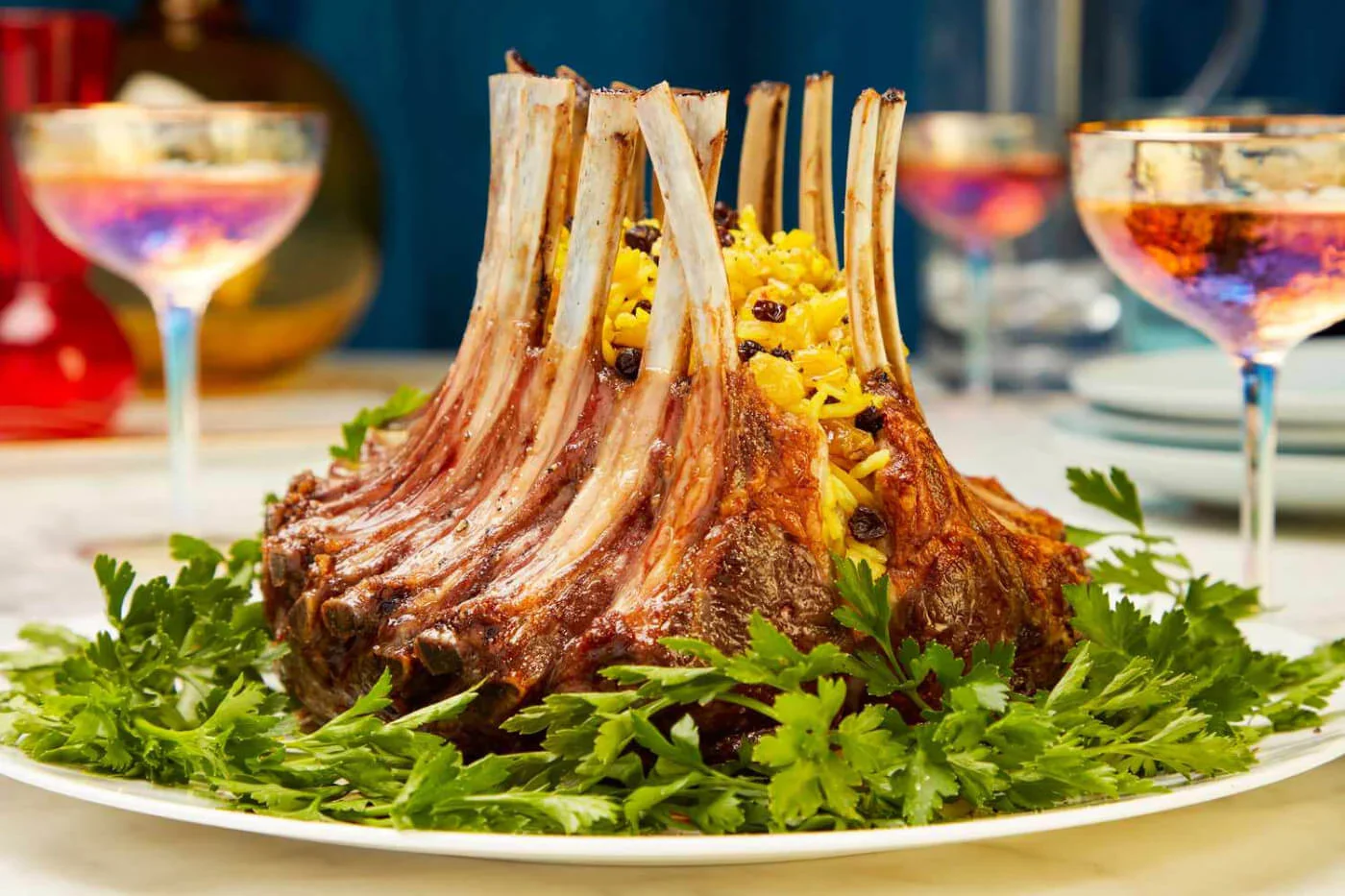
Red Côtes du Rhône tends to come into its own with roast meats. Lamb is the obvious pairing, where the wine’s mix of ripe fruit and savoury spice sits naturally alongside the richness of the meat. Garlic, rosemary and slow cooking all seem to bring out the best in both.
It’s not limited to lamb. Beef works just as well, particularly with slightly firmer styles, and even dishes with a bit of sweetness or spice can be handled without the wine feeling out of place.
Vacqueyras is a good place to look if you want something with a bit more depth. It sits alongside the better-known crus of the southern Rhône and tends to offer a little more structure and intensity, while still keeping the balance that makes the region so useful at the table.
Vacqueyras "Fontimple" Rouge is a good example. Built around Grenache, with Syrah and Mourvèdre, it has a fuller, more structured feel. There’s bright, spicy red fruit, a touch of black pepper and a warmth that carries through the palate, but it stays balanced and composed.
It’s the sort of wine that stands up well to slow-cooked dishes and richer cuts, without becoming heavy.
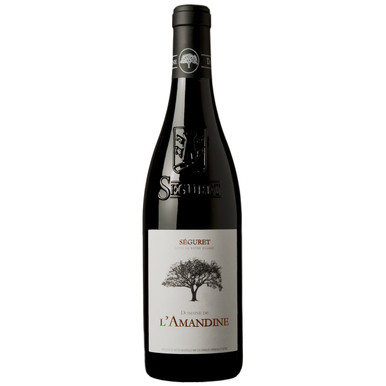
Domaine de l'Amandine "Seguret" is a Côtes du Rhône Villages from one of the most recognised villages in the region. Seguret itself is officially listed among the most beautiful villages in France, and the wines tend to reflect that sense of place.
This is a more fragrant style, with red and dark berry fruit, backed by a gentle note of spice. The blend of Syrah and Grenache gives it both structure and softness, making it easy to return to over the course of a meal. It has enough weight for lamb, but doesn’t feel heavy.
Domaine de l'Amandine "Seguret" 2023, Côtes du Rhône Villages
£21.25
A classic southern Rhône blend from the hilltop village of Séguret. Ripe black fruit, soft spice and a touch of oak give this a generous… read more
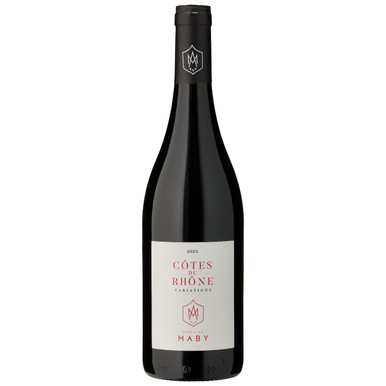
Domaine Maby "Variations" takes a slightly different direction. Made from Grenache, Syrah, Mourvèdre and Carignan from older vines, it has a bit more lift and freshness. There’s plum fruit, a hint of garrigue herbs and a more defined acidity, which makes it particularly useful with food.
It’s the sort of wine that works across a table rather than with one specific dish, which is often what you want.
Domaine Maby "Variations" 2022, Rhône
£14.50
Variations is an organic southern Rhône blend of Grenache, Syrah, Mourvèdre, and Carignan from old vines. The style is supple and fresh, with ripe fruit… read more
White wines
White Côtes du Rhône is less well known, but worth having in mind. These are not sharp, high-acid wines. Instead, they tend to be rounder, with more texture, which makes them easier to pair with food.
Viognier brings aromatics and softness, while Marsanne and Roussanne add structure and a slightly savoury edge. The result is a wine that sits comfortably with roast chicken, richer fish dishes or vegetable-based cooking.
Font Barriele "L'Essentiel est Invisible pour les Yeux" Blanc is a good example. A blend of Clairette and Roussanne, it has a fuller, rounded feel without losing freshness. It works well with dishes such as asparagus and goats cheese, where lighter whites can fall away.
It’s also a reminder that the region is not just about red wine, even if that’s where most people start.
Font Barriele "L'Essentiel est Invisible pour les Yeux" Blanc 2021, Rhone
£13.50
Refined and elusive, the deeply rooted vines bring strength and vigour, the wind ensures a healthy life, and the sun concentrates the aromas. Then, there… read more
Out of Stock

Rosé wines
Rosé from the southern Rhône is made with food in mind. It tends to have more colour, more structure and more presence than lighter styles.
Tavel is the best-known example, often deeper in colour and closer to a light red in weight. Lirac offers a slightly paler alternative, but still with enough substance to hold its place at the table.
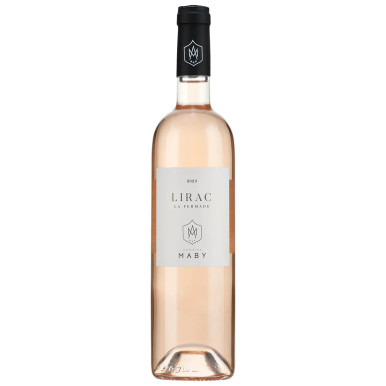
Domaine Maby, La Fermade Rosé sits in that space. It has freshness, but also enough depth to work with a range of dishes, from seafood through to more robust flavours.
Domaine Maby "La Fermade" Rosé 2023, Lirac
£15.75
Domaine Maby La Fermade Rosé is a full-bodied organic rosé from Lirac, made from Cinsault and Grenache. It combines bright berry fruit with redcurrant, rosehip,… read more
Out of Stock
Côtes du Rhône is not a complicated region to understand, and that’s part of its appeal. It offers a range of styles, but they tend to share a common thread of balance and drinkability.
More often than not, it’s the bottle that works without needing to think too hard about it.