
Enjoying the blog?
I send two emails a week sharing wines I've been tasting, new discoveries from independent growers, and occasional stories from the vineyards.
Beaujolais Nouveau 2026: What to Expect This Year
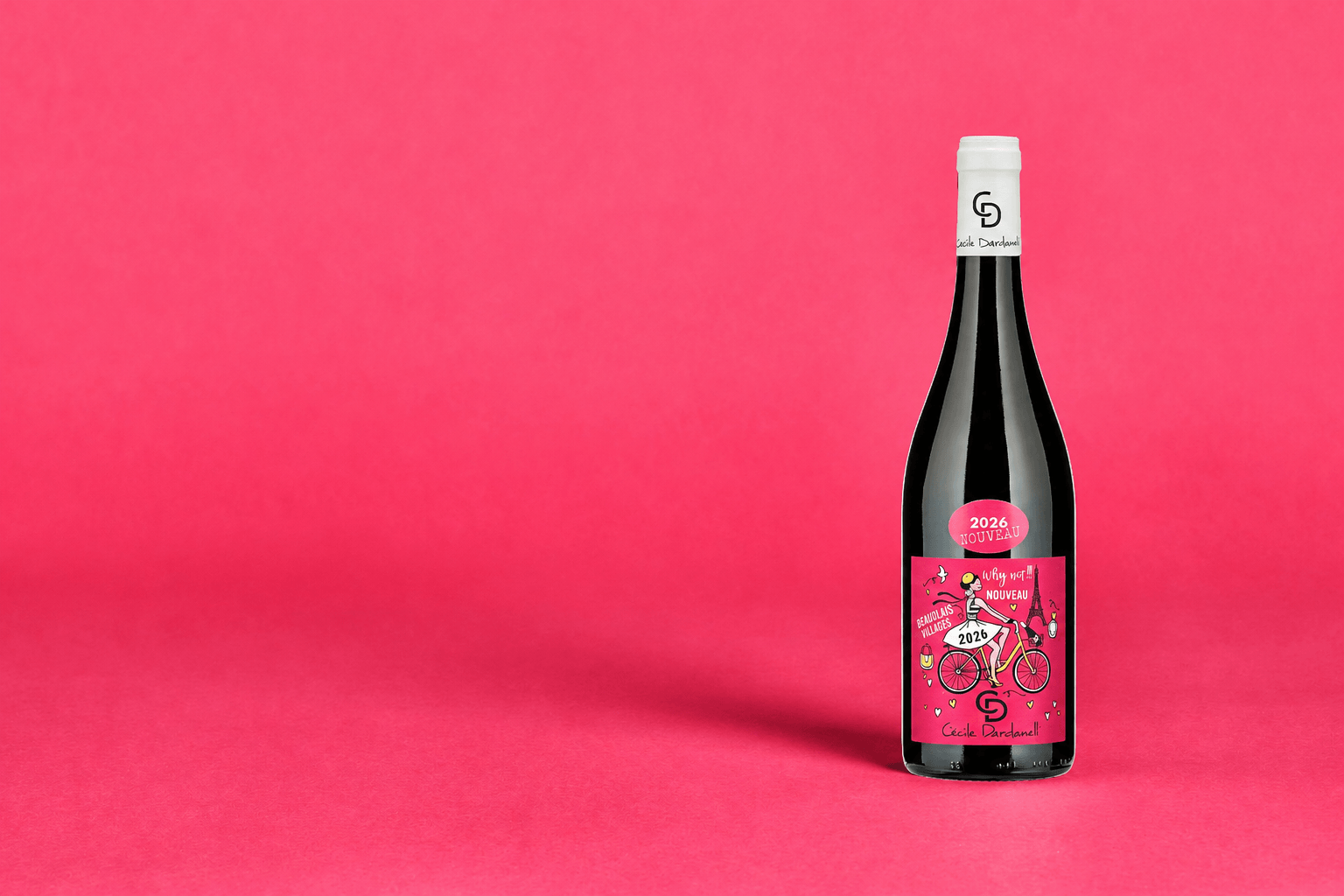
Beaujolais Nouveau 2026 is released on Thursday 19 November. This year's Domaine Bel Avenir Beaujolais-Villages Nouveau follows an unusually small, early harvest after a hot, dry summer, with a darker and more concentrated style expected than usual.
Table of Contents
- What can we expect from the 2026 vintage?
- What is Beaujolais Nouveau?
- Why Beaujolais-Villages matters
- How Beaujolais Nouveau is made
- When is Beaujolais Nouveau Day 2026?
- Why Nouveau Day still matters
- About Domaine Bel Avenir
- Is Beaujolais Nouveau serious or frivolous?
- How should you serve Beaujolais Nouveau?
- When should you drink the 2026 vintage?
- Pre-order Beaujolais Nouveau 2026
- FAQs
Beaujolais Nouveau 2026 will be released on Thursday 19 November, bringing the first taste of France's new vintage just weeks after the grapes have been picked.
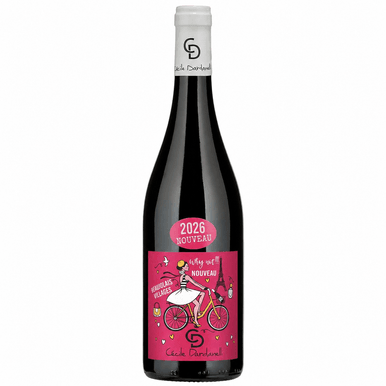
Pre-orders are now open for our Beaujolais-Villages Nouveau from Cécile and Alain Dardanelli at Domaine Bel Avenir. The price is £14.50 per bottle.
This year there is a good reason to pre-order. The harvest at Domaine Bel Avenir has just begun, unusually early after an exceptionally hot, dry summer. Heat, drought and hail have reduced the crop by more than 60%, while the grapes themselves are around half their usual weight. We have secured 2,500 bottles for the UK, but availability will be much more limited than usual.
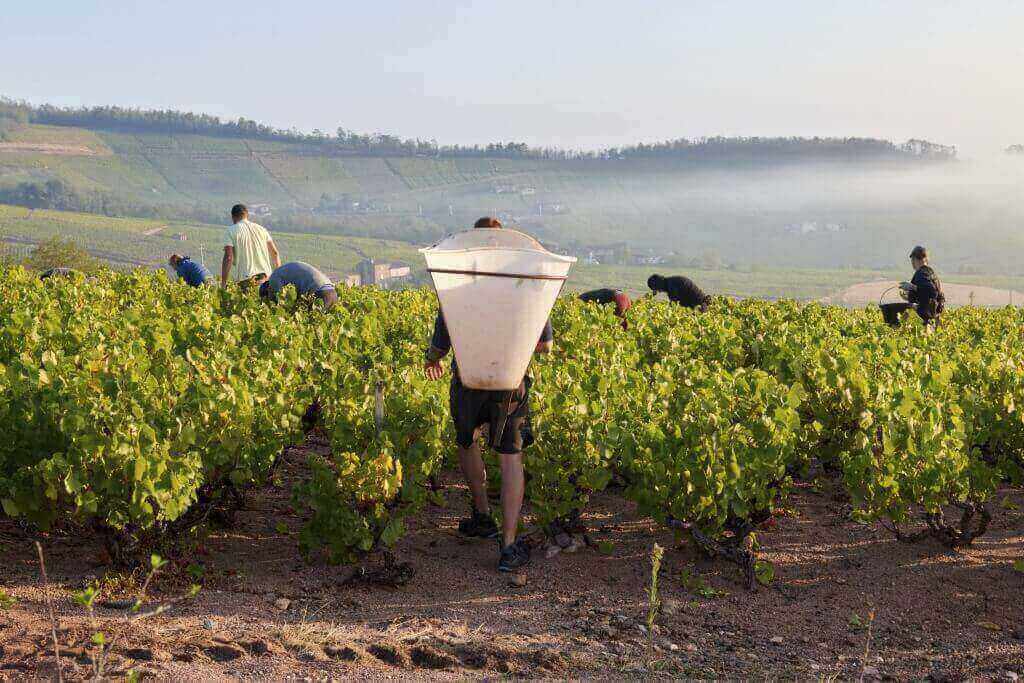 Harvesters picking Gamay grapes in a Beaujolais vineyard
The harvest in Beaujolais. © Fabrice Ferrer / Inter Beaujolais
What can we expect from the 2026 vintage?
A small harvest does not automatically mean a great one, and the finished wine has not yet been made. Cécile does, however, expect the tiny grapes to produce a darker and more concentrated style than usual.
She anticipates blackberry and blackcurrant fruit, deeper colour and a little more tannin, balanced by good acidity. It should retain the freshness and juicy fruit that make young Gamay so enjoyable, but with rather more substance behind it.
That matters because one of the things regular drinkers value most about this style is its lightness and immediacy. Some Wickhams customers have told us that they return to it precisely because it is fresh, lively and not heavy on the palate. The 2026 vintage may have more concentration, but the appeal will still depend on keeping that sense of energy.
Most wines in this style are made to be enjoyed within months of release. Cécile believes the concentration and acidity of the 2026 vintage may also allow it to develop for a few years in bottle. It will be an interesting vintage to follow, although opening a bottle on the third Thursday in November remains the point of the exercise.
What is Beaujolais Nouveau?
It is a young red wine made from Gamay grapes grown in the Beaujolais region of France. It belongs to the category known as vin de primeur: wine released soon after the harvest and intended to celebrate the arrival of the new vintage. For more on Gamay, Beaujolais-Villages and the ten crus, see our guide to Beaujolais wine.
The grapes are picked, fermented, bottled and released in a matter of weeks. Carbonic or semi-carbonic maceration is commonly used, encouraging bright fruit aromas while extracting relatively little tannin from the skins. The familiar result is a vivid, supple red that is ready to drink almost immediately.
The wine may be labelled either Beaujolais or Beaujolais-Villages. Our bottling is Beaujolais-Villages, made with fruit from the hillier northern part of the region, where granite and other poor soils tend to produce wines with greater concentration.
Why Beaujolais-Villages matters
The word Villages is more than decoration on the label. It means the fruit comes from a group of communes in the northern part of Beaujolais that are recognised for their better vineyard sites. The hills are generally steeper, the soils poorer and the granite influence stronger than in the flatter southern part of the region.
That does not turn a young, joyful wine into something solemn. It simply gives the grower better raw material to work with. In practice, a good Villages bottling can have a little more depth, freshness and structure while keeping the easy-drinking character that makes the style so appealing.
This is one reason we buy from an independent grower rather than treating Nouveau as a generic seasonal product. The Dardanellis make wine across the region and understand how different parcels of Gamay behave. Their Villages bottling still belongs firmly to the celebration, but it also reflects the place it comes from.
How Beaujolais Nouveau is made
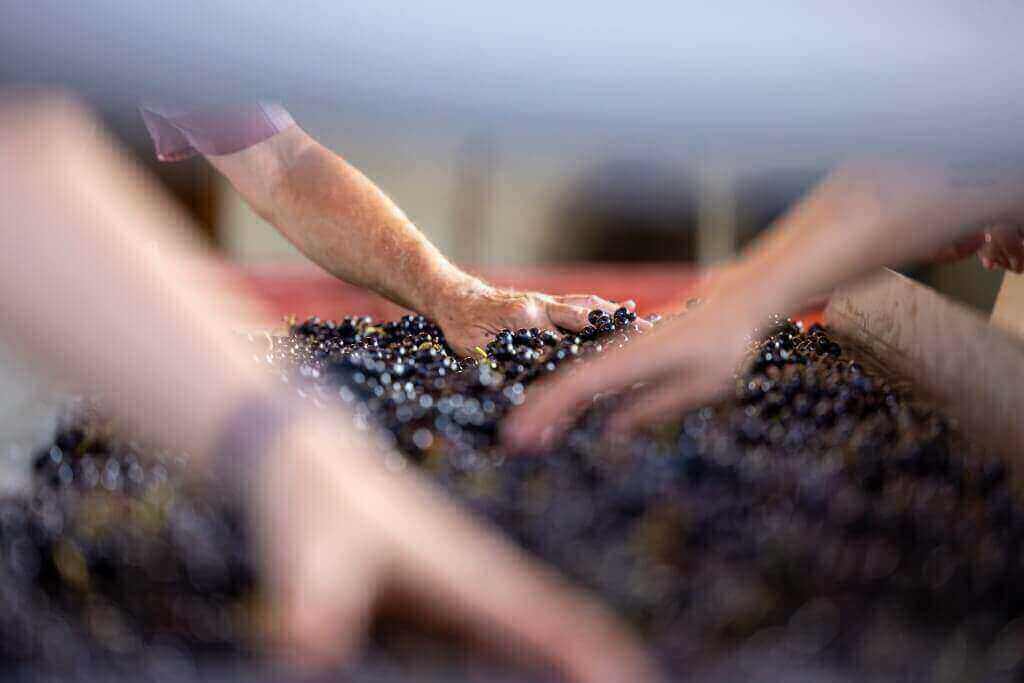 Hand sorting freshly harvested Gamay grapes in Beaujolais
Sorting freshly harvested Gamay. © Studio Baalt / Inter Beaujolais
| 1 | The Gamay grapes ripen through the summer. The timing and conditions of the growing season shape the fruit available at harvest. |
| 2 | The grapes are harvested by hand. Whole bunches need to arrive at the winery in good condition for the traditional fermentation method. |
| 3 | Fermentation begins quickly. Carbonic or semi-carbonic maceration helps create the fresh fruit aromas associated with Nouveau. |
| 4 | The wine is prepared for bottling. There is no lengthy period of ageing: the new wine is made and bottled within weeks. |
| 5 | The new vintage is released. It goes on sale around the world on the third Thursday in November. |
When is Beaujolais Nouveau Day 2026?
The date is always the third Thursday in November. In 2026, it falls on Thursday 19 November.
The fixed date turns a simple young wine into a shared event. Growers, merchants, restaurants and drinkers all open the new vintage together, making it the first opportunity to see how the year has expressed itself in the glass.
Why Nouveau Day still matters
For many people, the day is as important as the wine itself. Customer emails to Wickhams over the years show the same pattern again and again: people plan supper around it, invite friends over to taste the new vintage, organise small parties, or simply make sure there is a bottle ready to open that evening.
Some customers have been following the tradition for decades. Others have only recently discovered it. What they have in common is that the date creates an excuse to stop, open something new and compare this year with the last one.
That is why timing matters. A bottle arriving a week later may taste exactly the same, but it has missed the occasion. The third Thursday in November is part of the pleasure, in much the same way that the first asparagus of spring or the first strawberries of summer carry a little more excitement because they mark a point in the year.
It is also one of the few moments in wine when experienced drinkers and complete beginners can approach a bottle in much the same way. There is no need to wait years, study a vintage chart or decide whether the wine is ready. You open it, taste it, and see what the harvest has given us.
About Domaine Bel Avenir
Cécile and Alain Dardanelli are based at Domaine Bel Avenir in La Chapelle-de-Guinchay, around three kilometres east of Chénas. Their vineyards extend across Beaujolais-Villages and several of the region's crus, so Gamay is very much at the centre of what they do.
That wider experience matters when making a wine released so quickly after harvest. There is very little time to correct mistakes or hide behind ageing. Healthy fruit, careful handling and a good understanding of fermentation are essential if the finished wine is going to be clean, fresh and enjoyable almost immediately.
For Wickhams, working with the Dardanellis also means the annual release is connected to a real grower and a real place. We are not simply buying a branded seasonal wine. We are following the progress of a family domaine from harvest through to the bottle that arrives in November.
Is Beaujolais Nouveau serious or frivolous?
It is primarily a wine for enjoyment rather than contemplation. The pleasure comes from its freshness, its immediacy and the annual ritual of tasting the new harvest.
That does not mean quality is irrelevant. There is a considerable difference between basic mass-produced Nouveau and a Beaujolais-Villages made by an independent family grower. We work directly with Cécile and Alain because their wine combines the exuberance expected of the style with the care they bring to all their Beaujolais.
The domaine is in La Chapelle-de-Guinchay, three kilometres east of Chénas. The Dardanelli family farms vineyards across Beaujolais-Villages and several of the region's crus, giving them a detailed understanding of Gamay and the varied soils of northern Beaujolais.
How should you serve Beaujolais Nouveau?
Serve it slightly chilled, at around 13°C. Twenty to thirty minutes in the fridge is usually enough if the bottle has been kept at room temperature. Chilling brings out the freshness without muting the fruit.
When should you drink the 2026 vintage?
The easiest answer is on 19 November. This is a wine designed to be enjoyed young, when its fruit is bright and the new vintage still feels new.
There is no need to rush through every bottle in a week, though. Keep some back into winter and it will sit comfortably with charcuterie, roast chicken, pork, lighter game dishes and cheese. If Cécile is right about the extra concentration and acidity in 2026, it may also be interesting to keep a bottle or two longer and see how they develop.
But longevity is a bonus rather than the point. The charm lies in tasting the year while it is still fresh from the harvest.
Pre-order Beaujolais Nouveau 2026
Beaujolais Nouveau 2026 from Domaine Bel Avenir is £14.50 per bottle.
Orders will be dispatched in time for Nouveau Day on Thursday 19 November. Delivery is free when you order six or more bottles.
For Beaujolais beyond Nouveau, see our five Beaujolais wines to try, from fresh Beaujolais-Villages to more structured cru wines.