

Enjoying the blog?
I send two emails a week sharing wines I've been tasting, new discoveries from independent growers, and occasional stories from the vineyards.

The Strange Case of Pinot Gris Grigio

Table of Contents
From supermarket staple to serious foodie wines, Pinot Gris / Grigio has a split personality that offers endless tasting experiences.
One of the things I love most about wine is its capability to shock and surprise. My first taste of Pinot Gris was at a tasting exploring the noble grapes of the Alsace region when I was beginning to get serious about wine. Explore our full range of Pinot Gris / Pinot Grigio wines.
I couldn’t get my head around the fact that this rich and age-worthy wine was made from the same grape as the crisp, light Italian plonk I’d knocked back in years gone by at picnics with friends or on a cheap date at Pizza Express.
It's little wonder that many people don’t realise that Pinot Gris, as it is known in France, is exactly the same grape as Italian supermarket staple Pinot Grigio because, while the grapes are genetically identical, they have completely different personalities – the Dr Jekyll & Mr Hyde of wine, if you will.
One and the same, for the purpose of this article, I will, on occasion, refer to the grape as Pinot Gris / Grigio.
Pinot Grigio vs Pinot Gris at a glance
| Pinot Grigio | Pinot Gris | |
|---|---|---|
| Grape | Same grape | Same grape |
| Typically associated with | Italy | Alsace, France |
| Style | Light, crisp and fresh | Richer, fuller and more aromatic |
| Typical flavours | Lemon, apple, pear | Ripe pear, stone fruit, honey, spice |
| Good with | Seafood, salads, lighter dishes | Creamy dishes, pork, smoked meats, spice |
The name on the label often tells you more about the intended style than the grape itself.
What is Pinot Gris / Grigio?
The early ripening grape is a mutation of Pinot Noir, which gives it its characteristic greyish-blue tint (hence the "Gris" or "Grigio" name) and it is believed to have originated in Burgundy, where the earliest records of Pinot Gris / Grigio appeared in the 13th century.
By the next century, it was well established in France (where it can also be called Tokay-Pinot Gris, Pinot Beurot or Auvernat Gris), Germany (Grauburgunder or Ruländer), and Switzerland (Malvoisie). Until the Phylloxera outbreak in the 19th century, Pinot Gris particularly thrived in Burgundy and Champagne but didn’t take well to hybrid grafting to American root stock here and was gradually replaced by Pinot Noir and Chardonnay.
It fared better in the cooler climate of Alsace however and it is now one of the region’s most revered grape varieties. The grape crossed The Alps into northern Italy in the 19th century but didn’t become prominent here until the 20th century when winemakers in the Friuli-Venezia Giulia, Trentino-Alto Adige, and Veneto regions recognised Pinot Grigio’s potential to appeal to international palates.
Pinot Gris / Grigio – what’s the difference?
In Italy, particularly in the cooler Trentino-Alto Adige and Friuli Venezia Giulia regions, where grapes ripen more slowly and retain their natural acidity, the wines are light, crisp, refreshing, and approachable (by that I mean quaffable). Pale in colour and made to drink young, Pinot Grigio is a crowd-pleasing wine, often with notes of lemon zest, green apple and a touch of pear making it great for drinking in warmer weather.
San Antini Pinot Grigio 2025, Delle Venezie
£10.75
San Antini is a fresh, straightforward Pinot Grigio from Delle Venezie in north-east Italy. Made from 100% Pinot Grigio and fermented cool in stainless steel,… read more
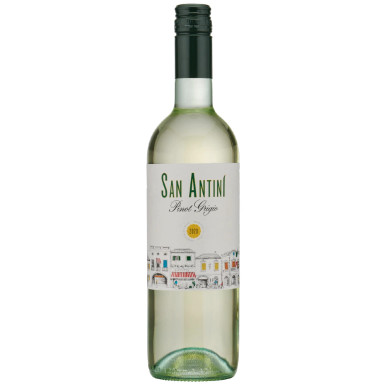
If you look beyond the generic bottles you find in the supermarkets, you can find some great quality expressions. Single varietal Pinot Grigio wines are great on their own or paired with light dishes such as white fish, grilled chicken and Caesar salad. Blended versions, which often include Garganega or other indigenous Italian grape varieties, are ideal if you prefer wines with more texture.
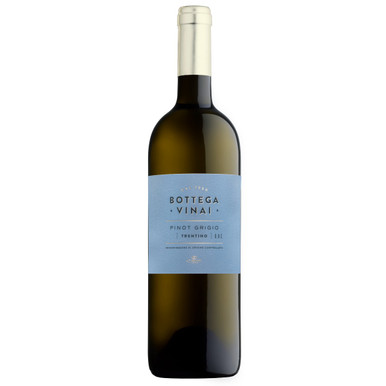
For a more characterful northern Italian expression, Bottega Vinai Pinot Grigio comes from the Valle dei Laghi in Trentino. It keeps the freshness people look for in Pinot Grigio, with apple, citrus and floral notes, but adds more weight, texture and a touch of spice and almond.
The 2025 vintage was also awarded Gold at the 2026 Global Pinot Grigio Masters.
Bottega Vinai Pinot Grigio, Trentino
£15.50
Pinot Grigio often comes from the flat river plains of the Veneto, and the resulting wines can be rather flat too. Travel north into the… read more
In Alsace, Pinot Gris takes on a completely different character. Wines from here are deeper in colour, fuller-bodied and more complex, with layers of honey, baked apple, and sometimes slight spiciness.
They’re richer and rounder with texture that coats the mouth in the most luxurious way. Grapes ripen more fully here and therefore the wines can reach higher alcohol levels making them suitable for aging. Over time the wines develop even more nuanced and honeyed flavours. The richness of wines from Alsace makes them well suited to creamy dishes and you could even pair with food you might ordinarily pair red wine with, such as pies, terrines and smoked meats.
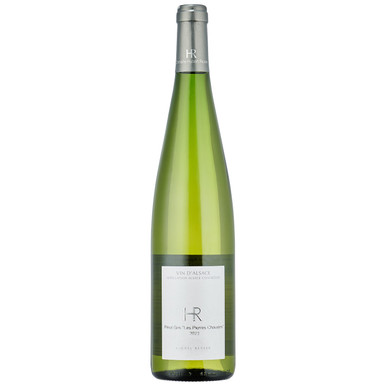
For a good example of the richer Alsace style, Hubert Reyser Pinot Gris has ripe pear and stone fruit, with more weight and texture than you would expect from Italian Pinot Grigio. Hubert farms organically in the village of Nordheim, and the wine has plenty of character while retaining the freshness that keeps it balanced.
Hubert Reyser Pinot Gris “Les Pierres Chaudes” 2023, Alsace
£17.50
Ripe pear, peach and apricot give this Pinot Gris plenty of flavour, with honeyed richness and gentle spice. It's rounded and generous, but there's enough… read more
Gris of the New World
More modern interpretations can be found in regions such as Oregon in America and Marlborough in New Zealand. In these regions, winemakers often combine the refreshing acidity and bright citrus and pear notes associated with Italian Pinot Grigio with more weight and a rounded mouthfeel reminiscent of Alsace, sometimes helped by lees stirring or partial oak ageing.
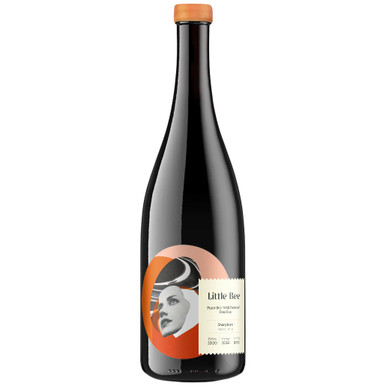
Plantings of Pinot Gris are also ramping up in the UK, where winemakers can experiment with skin contact and lower-intervention styles. Sharpham Pinot Gris Wild Ferment "Little Bee" is one such example, made as a skin-contact wine with a more textural, savoury profile.
Sharpham Pinot Gris Wild Ferment "Little Bee" 2022, Devon
£20.65
Little Bee is Sharpham's skin-fermented Pinot Gris, showing a very different side to the grape. The fruit spends three weeks on its skins before fermentation,… read more
Out of Stock
So, whatever your personality, or mood, give the world of Pinot Gris Grigio a try – there’s bound to be a version to suit.
Explore Pinot Gris / Grigio wines
FAQs
Are Pinot Grigio and Pinot Gris the same grape?
Yes. They are the same grape variety. Pinot Grigio is the Italian name and Pinot Gris the French name, but the names are also commonly used to indicate different styles.
What is the difference between Pinot Grigio and Pinot Gris?
Italian Pinot Grigio is generally lighter, crisper and fresher, while Pinot Gris, particularly from Alsace, tends to be fuller, richer and more aromatic.
Is Pinot Grigio dry or sweet?
Most Italian Pinot Grigio is dry. Pinot Gris can range from dry to richer styles with some sweetness, depending on where and how it is made.
Where does Pinot Grigio come from?
The grape originated in France as a mutation of Pinot Noir, but Pinot Grigio is now particularly associated with northern Italy, including Veneto, Friuli-Venezia Giulia and Trentino-Alto Adige.
What food goes with Pinot Grigio and Pinot Gris?
Crisp Pinot Grigio works well with seafood, white fish, salads and lighter dishes. Richer Pinot Gris can handle creamy dishes, smoked meats, terrines and gently spiced food.